
How to Give Wood a Burnt Look
A burnt wood look runs from lightly darkened grain to deep, heavily textured char. What you get depends on the species, the grain, how wet the wood is, how much heat it takes, how hard it is brushed and what goes on top. You can explore the effect on a small sample at home. That is not the same thing as a manufactured Shou Sugi Ban cladding product, and this article explains the gap.
For a visual overview of Deep Char, brushed and coated surfaces, see The Different Styles of Shou Sugi Ban.
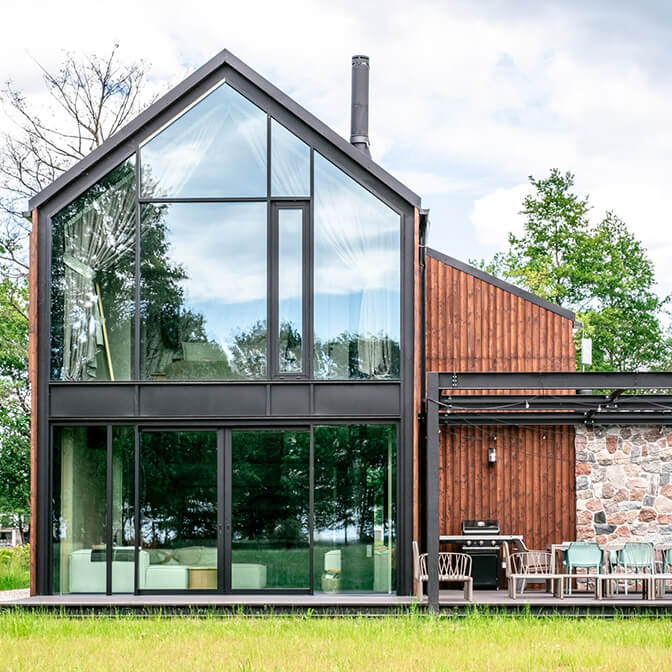
Burnt Appearance Versus a Specified Charred Wood Product
Darkening a piece of timber with a flame makes an attractive decorative surface. Production charring is a different job: the species, grade, dimensions, moisture, profile, char, brushing, coating and quality checks are all controlled for a known end use.
A hand-charred sample proves nothing about water resistance, decay resistance, fire performance or how long the wood will last. For cladding, fencing, commercial interiors, decking, flooring or anything regulated, use a documented product and installation system.
Choose the Wood for the Intended Result
Species react differently to heat. Grain density, resin, knots and growth pattern all change the colour and texture. Traditional Yakisugi uses sugi, the Japanese cedar. Modern charred wood uses other species too, and the old rule about hardwood outside and softwood inside does not hold.
Choose the timber for the job: the use, the exposure, the durability you need, the dimensions and the finish. Degmeda chars spruce, larch, Thermo Pinus Radiata and Accoya®. Ask us what is available now for your application.
Safety Comes Before the Finish
Open flame, hot timber, smoke and combustible dust can cause serious injury or fire. Never burn painted, coated, glued, treated or unidentified wood because heating it may release hazardous fumes. Follow the torch or heating-equipment manufacturer’s instructions, local fire restrictions and workplace requirements.
Work only in a controlled, non-combustible area with appropriate ventilation, personal protective equipment and suitable fire-control equipment immediately available. Avoid dry, windy conditions and nearby buildings, vegetation, fuels or other combustible material. If you are not trained and confident with flame work, do not attempt it.
How the Appearance Is Developed
1. Prepare Representative Samples
Use clean, unfinished timber, same species and ideally the same batch as the project. Make several samples, because natural variation will change the result from board to board. If you sand, take out the defects without flattening the character you are after.
2. Create a Controlled Char
Apply the heat evenly, enough to reach the colour and texture you want without wrecking the board. How long that takes differs by species and finish. There is no universal distance, temperature or timing that works as a guaranteed recipe.

3. Cool, Clean and Brush
Make the timber safe before you handle it further. Brush off the residue. Brushing takes the char layer back and opens up the grain: light brushing leaves a darker surface, deeper brushing goes further and exposes more of the bare wood.
4. Apply the Specified Finish
Oil sets the colour, holds down loose residue and gives the finish. Do not assume a household oil will do for something that lives outdoors. Follow the specification for the exact coating and product.
What Happens to Burnt Wood Outdoors?
A charred surface still changes with sun, rain, pollution and handling. Deep Char is sensitive to rubbing. Brushed and oiled products fade and wear differently again, and sheltered parts of a facade age more slowly than exposed ones.
Charring improves the surface’s resistance to moisture, weathering, decay and insects. How the facade is built around it does the rest.
Look at exterior charred wood now and then, and after severe weather. Clean it gently with a soft brush and a mild product suited to the finish. Avoid pressure washing and harsh chemicals. There is no fixed recoating interval: re-oil or repair when the boards need it, or when you want the colour back.
From a Sample to an Architectural Project

Once the desired appearance is selected, convert it into a complete written specification. Confirm species, grade, dimensions, profile, orientation, surface treatment, colour or coating, end treatment, fixings, substructure, cavity and exposure. Approve a representative sample or facade mock-up before the full order.
Required fire or environmental performance must relate to the exact Degmeda product and, where relevant, the complete tested assembly. A decorative hand-charred sample cannot establish regulatory compliance.
Degmeda Burnt Wood Projects
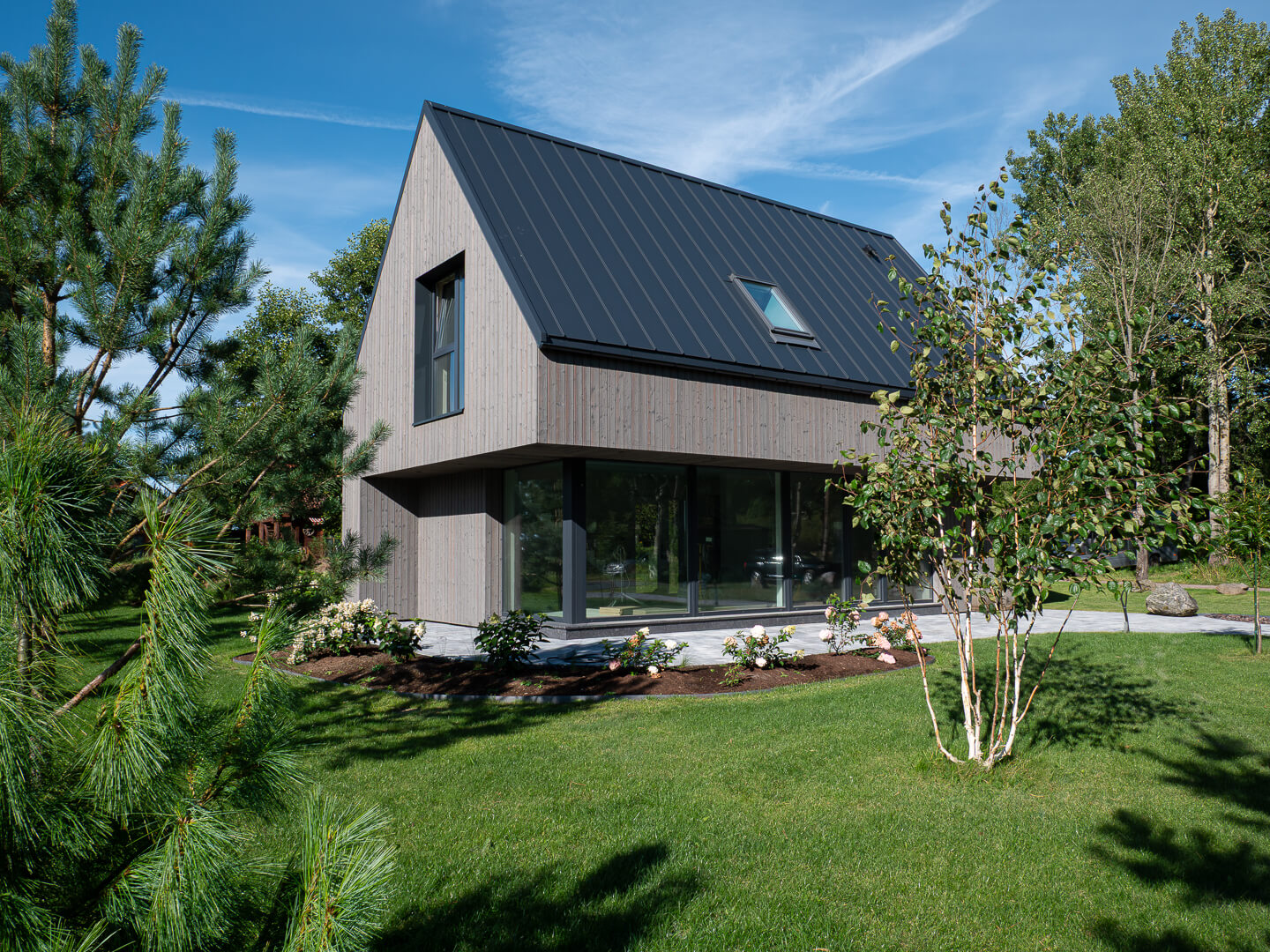
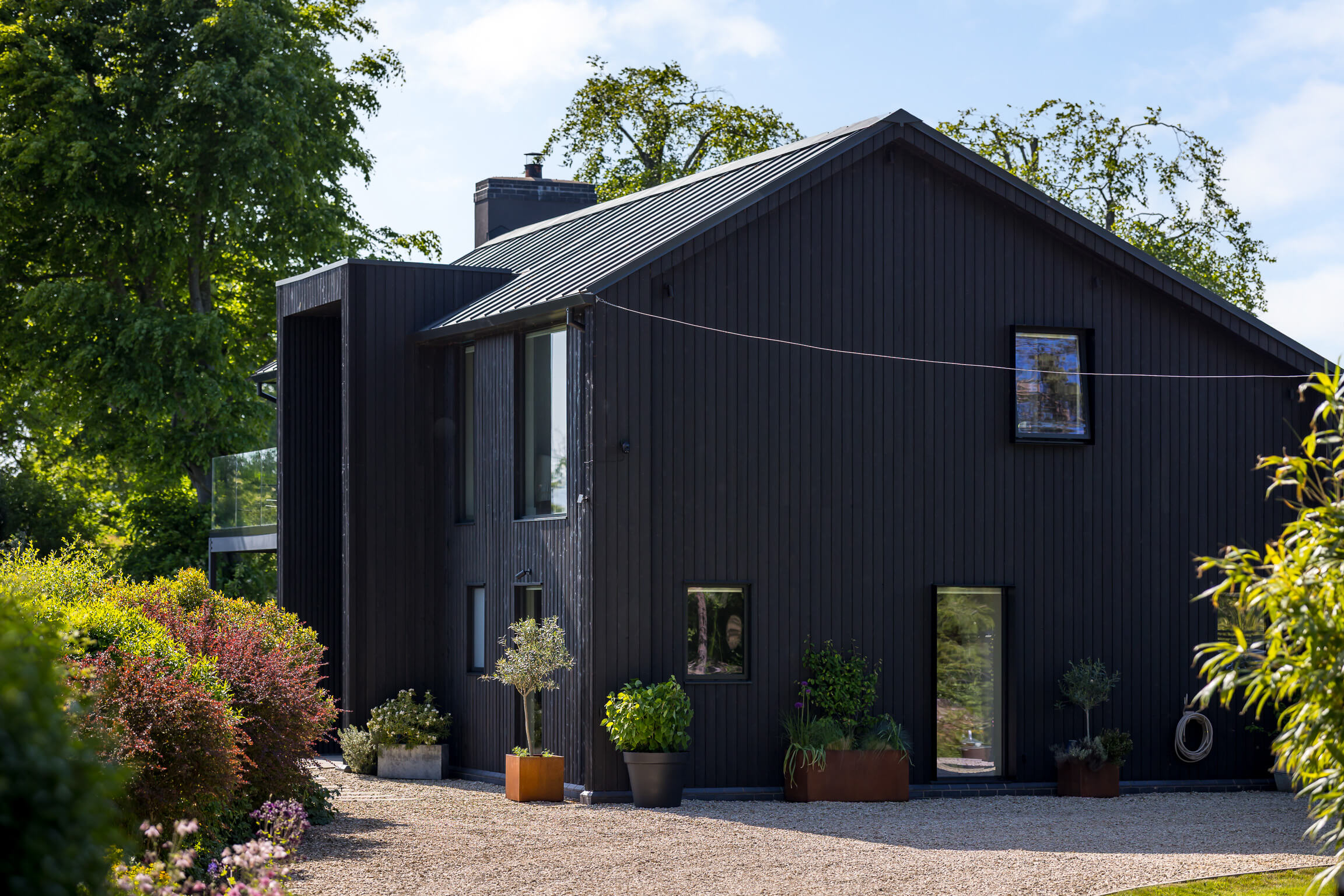
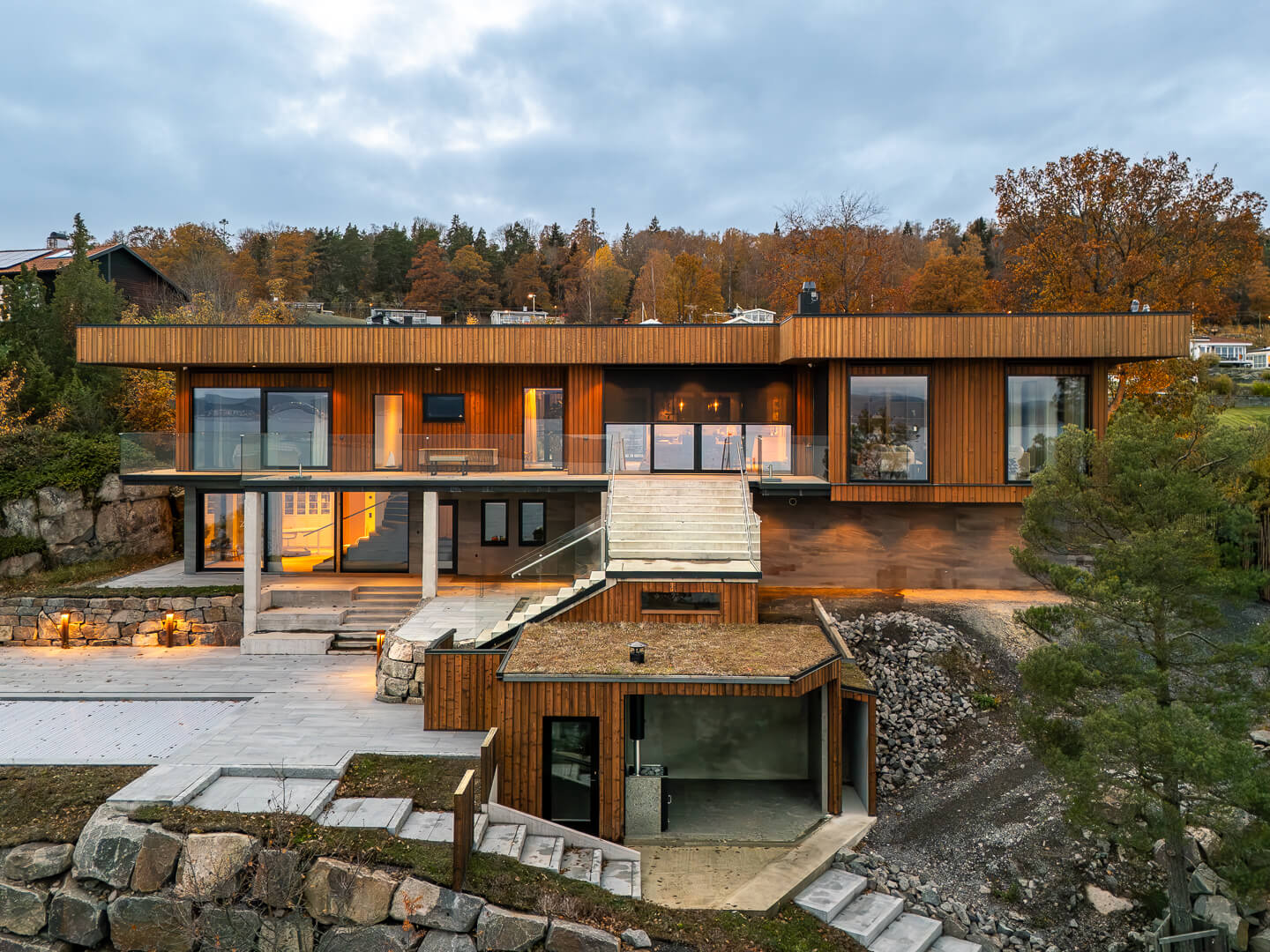
The following projects show how charred timber can be used in finished architecture. They are visual references, not proof that every product or detail is suitable for every building.
When to Use Professional Charred Wood
Use professional production whenever the result must be repeatable, installed on a building, exposed to weather, touched frequently or supported by technical documentation. Degmeda can help identify an appropriate charred-wood product, prepare samples and confirm the current specification, maintenance guidance and delivery region.
Thermo Wood is a separate category. Its suitability for decking or another high-wear application should be assessed for the exact product, profile, exposure, drainage, grip requirements and expected traffic rather than inferred from a charred-wood specification.