
Cladding Cleaning – How is it Done
Clean exterior wood cladding gently, and to the guidance for your finish. Deep Char, brushed, coated and Thermo Wood surfaces do not all take the same brush, water pressure or cleaning product.
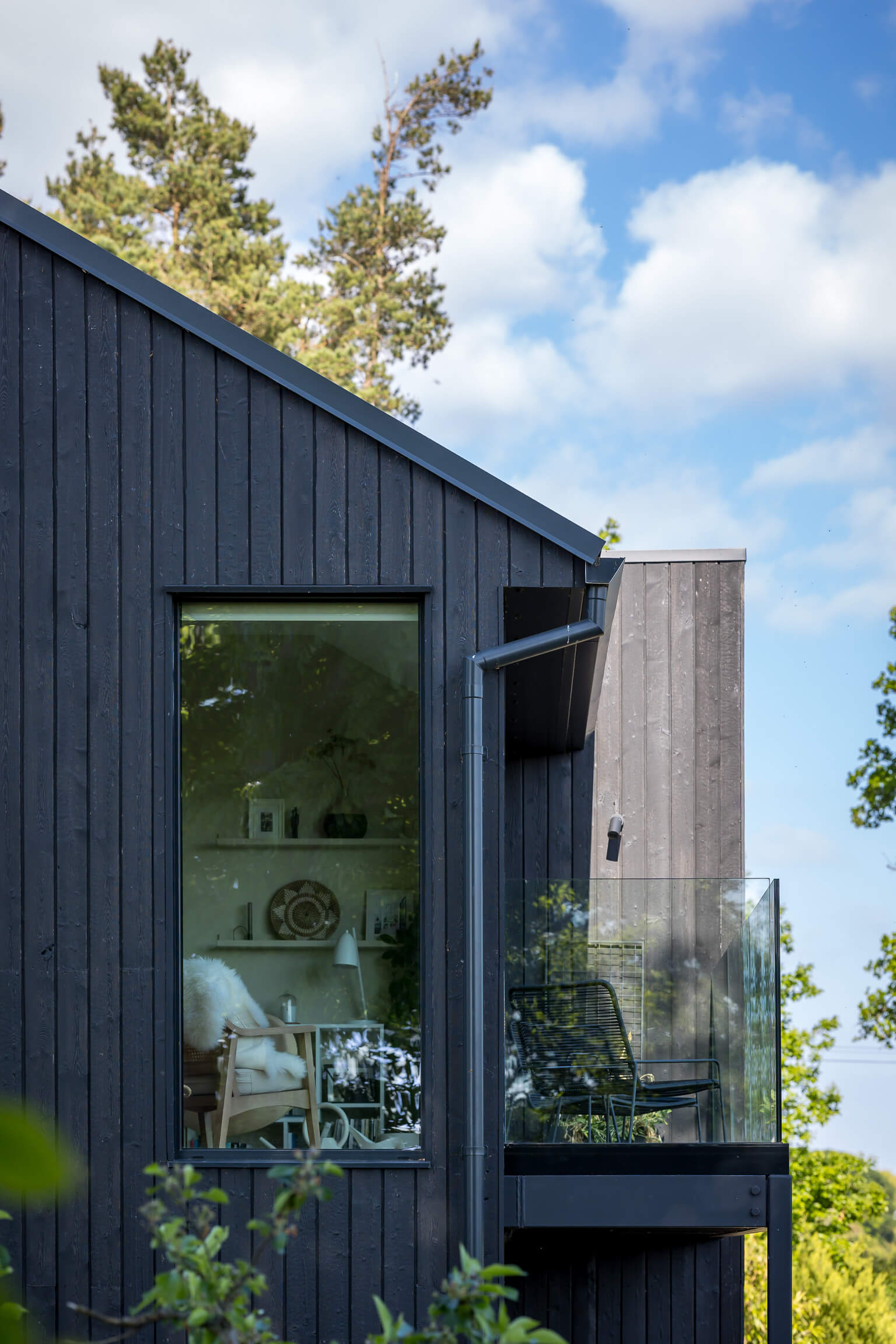
Cleaning can remove dust, pollen, cobwebs and surface deposits, but it cannot repair failed detailing, trapped moisture, coating breakdown or decayed timber. Inspect first, identify the cause and use the least aggressive method that works.
Identify the Cladding Before Cleaning
Deep Char Surfaces
Deep Char is sensitive to rubbing and to high-pressure water. Abrasion polishes the surface, takes off char and leaves visibly lighter patches. Check whether the surface is oiled before you touch it.
Brushed Charred Wood
Brushed finishes expose more grain and may carry a translucent or pigmented coating. Cleaning must protect both the timber fibres and the coating. A method suitable for one Degmeda brushed product may not suit another colour or coating system.
Coated Wood Cladding
Clean painted, oiled or factory-coated cladding only with products approved for that finish. Strong solvents, alkaline cleaners and abrasive pads change the sheen, soften the film and lift pigment.
Thermo Wood Cladding
Thermally modified timber is still real wood. It weathers, collects dirt and needs its finish looking after. Clean gently and follow the guidance for your Thermo Wood finish.
Inspect the Facade Before You Start
Look at lower edges, corners, openings, penetrations, joints, cut ends and areas near roofs, gutters or vegetation. Check for loose boards, damaged coating, open joints, corrosion, persistent dampness and blocked drainage.
Determine whether the mark is loose dirt, biological growth, resin, rust staining, coating wear or moisture damage. Cleaning the symptom without correcting a leaking gutter, poor clearance or trapped-water detail will not solve the problem.
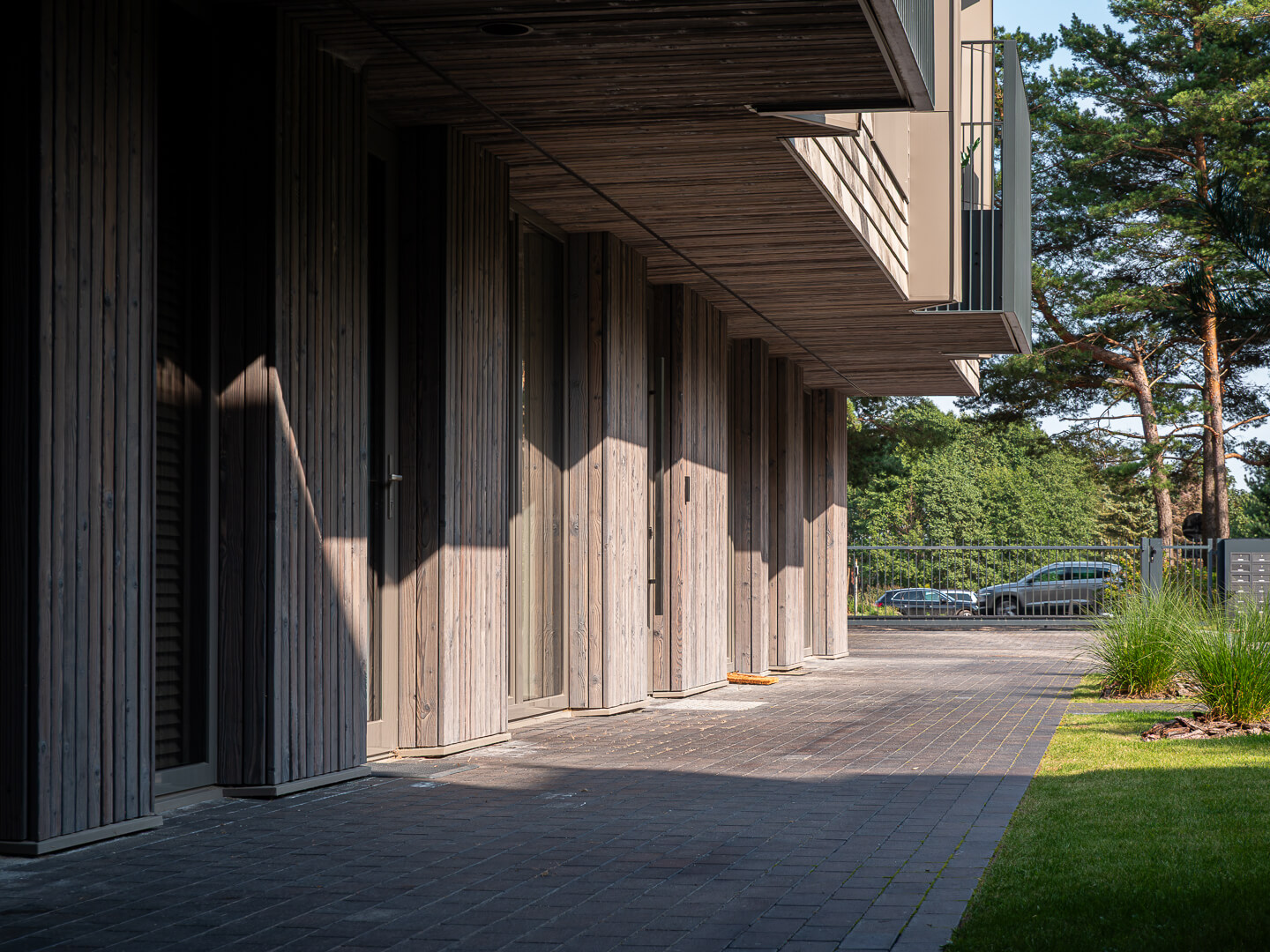
A Safe Cleaning Sequence
1. Check the Product Guidance
Locate the maintenance instructions for the exact species, surface treatment, colour and coating. If the product cannot be identified, test conservatively or ask Degmeda before applying chemicals or water pressure.
2. Protect the Surroundings
Protect windows, metalwork, landscaping and adjacent materials. Consider where dirty water and cleaning residue will run. Local environmental rules may restrict detergent or biocide runoff.
3. Test a Small, Inconspicuous Area
The test patch shows you whether colour, sheen, char texture or finish changed once it has dried. Do not judge it wet: water darkens wood temporarily.
4. Remove Loose Deposits Dry
When the finish allows, begin with a soft brush to remove cobwebs, dust and loose material. Work with the grain and avoid scrubbing Deep Char texture.
5. Use Minimal Water
If approved for the product, use clean water and a soft brush or cloth. A mild cleaner may be added only when it is compatible with the finish. Apply it according to the product instructions and prevent it from drying on the facade.
6. Rinse Gently and Allow the Wall to Dry
Rinse only as much as necessary, working so water does not drive into joints, cavities, openings or cut ends. Ensure drainage paths remain clear and allow the wall to dry fully before evaluating the result or planning recoating.
Why Pressure Washing Is Risky
High-pressure water can erode soft wood fibres, remove char, strip coatings and force moisture behind the facade. It can also produce clean stripes, raised grain and permanent colour differences.
Pressure washing is not routine maintenance for Degmeda cladding. If a specialist proposes controlled low-pressure equipment, the exact product manufacturer must approve the method and a representative test area must be assessed first.

Cleaning Biological Growth
Algae, mould, moss or lichen usually indicate a surface that stays damp or receives little sunlight. First investigate drainage, nearby vegetation, air movement and leaking components.
Do not assume that a general biocide is safe for charred wood, coatings, people, plants or runoff. Use only a product approved for the exact finish and organism, follow its safety data and local rules, and test before treating the wider facade.
If growth is extensive, returns quickly or appears with soft timber and coating failure, use a qualified facade or timber specialist. Cleaning alone may be insufficient.
Stains That Need Separate Diagnosis
Metal and Fixing Stains
Dark runs or orange marks near fixings can indicate corrosion or a reaction between metals, timber extractives and moisture. Replace incompatible or failed fixings as part of the repair; do not simply bleach the stain.
Resin and Extractives
Some species can release resin or coloured extractives. The correct treatment depends on the species, finish and coating. Scraping or solvent cleaning may damage the surrounding surface.
Uneven Weathering
Sheltered and exposed areas naturally age at different speeds. Cleaning may not make them match and can increase the contrast. If a uniform appearance is required, the solution may involve controlled recoating rather than stronger cleaning.
When Recoating Is Needed
Cleaning and recoating are separate maintenance operations. Recoat when the specified coating shows wear and the surface has been prepared according to the coating system. For product-specific preparation and finish selection, see our charred wood sealing guide and maintenance oil guide. Do not apply wax, silicone, “waterproofing” treatment or household oil unless it is explicitly compatible with the Degmeda product.
Improvised treatments can prevent future coatings from bonding, alter fire performance, trap moisture or create patchy colour. There is no universal orange-oil treatment and no fixed ten- or twelve-year interval for every facade.
How Often Should Cladding Be Cleaned?
There is no predetermined cleaning schedule. Urban pollution, coastlines, trees, shade, orientation and roof protection all change how quickly deposits build up, so go by what you can see.
Inspect regularly and after severe weather, construction nearby or a known drainage problem. Clean only when needed and before deposits become difficult to remove. Frequent aggressive cleaning can be more harmful than leaving a stable surface alone.
When to Use a Professional
Use a qualified specialist when the facade is high, access is difficult, biological growth is extensive, the coating is failing, boards are damaged or the product cannot be identified. Work at height requires suitable access equipment and safety planning.
Ask the contractor to document the proposed cleaner, dilution, tools, pressure, runoff control and test area. “Professional cleaning” is not automatically safe if the method is incompatible with the cladding.
Degmeda Maintenance Checklist
Confirm the exact product, inspect the wall, correct moisture sources, test the mildest method, clean gently, allow complete drying and reassess before recoating. Keep a record of the product, cleaning date, observations and materials used for future maintenance.
For product-specific advice, provide Degmeda with the species, product name, finish, installation date, location, orientation and clear photos of the affected area. This allows guidance to be based on the actual facade rather than a generic cleaning recipe.