
Shou Sugi Ban Siding
What is Shou Sugi Ban Siding?
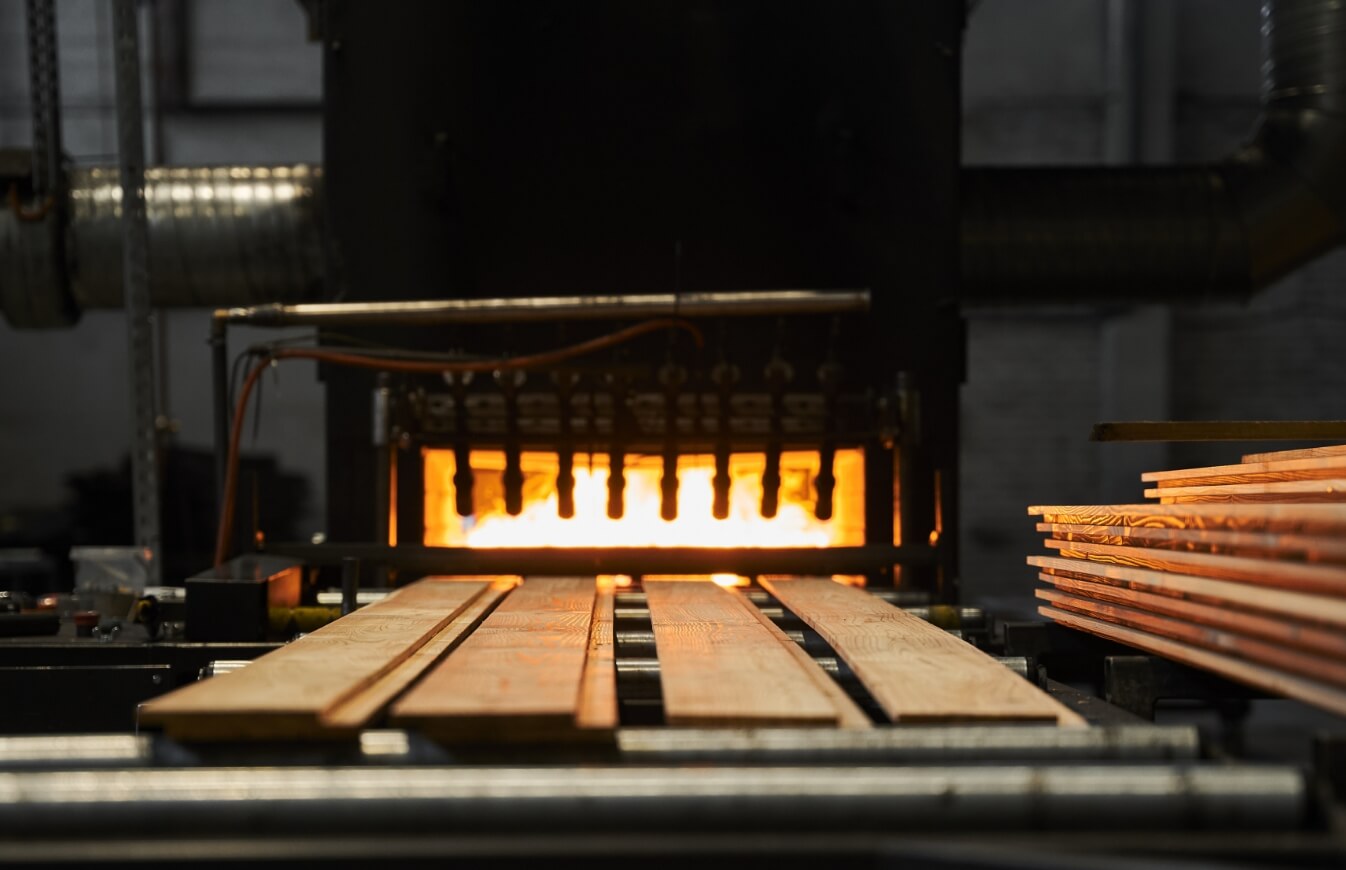
Shou Sugi Ban siding, also known as charred wood cladding, uses controlled burning to transform the timber surface before further finishing, a sequence set out on the manufacturing page. Boards are charred on all four sides. The back normally carries relief grooves and takes slightly less char than the face. Charring leaves a black, textured surface and improves resistance to moisture uptake, weathering, biological decay and insect activity. The colours in the finished range come from the timber, the brushing and the oil.
Species, profile, finish, fixings, ventilation, drainage, substructure and installation detailing all shape how the facade performs outdoors.
Our Siding-Friendly Shou Sugi Ban Finishes


The Cultural Origins of Shou Sugi Ban
Yakisugi developed in Japan as a practical method for treating timber surfaces. Today, the term Shou Sugi Ban is widely used internationally for charred timber inspired by that tradition.
Spruce, larch, Thermo Pinus Radiata and Accoya are not identical to traditional Japanese cedar. Their grain, density and surface response are different, so the finished product should be specified by its actual species and documented construction.
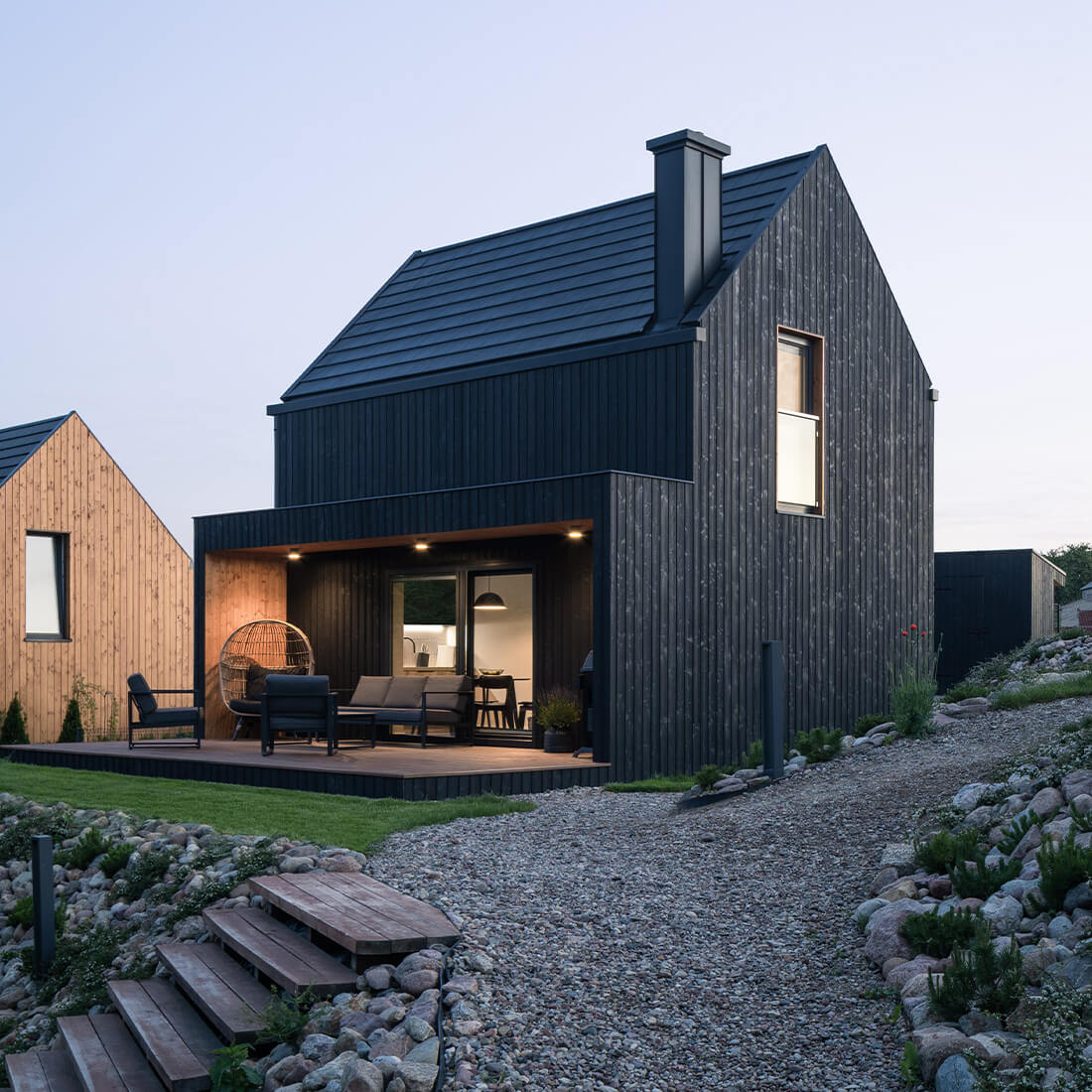
What Makes Shou Sugi Ban Visually Distinctive
Charred timber combines natural grain with controlled surface texture. Brushed finishes reveal more of the timber structure, while surfaces that retain the carbon layer create deeper shadow and stronger relief. The result should be selected in relation to the building, viewing distance and surrounding materials—not from a colour name alone.
Representative samples help the project team review variation, texture and tone before the final specification is agreed.
From Raw Timber to Finished Cladding
The finished cladding surface is the result of timber selection, controlled production and quality checks at every stage. For the complete overview, see our Shou Sugi Ban technique and production process guide.
Selecting the Right Charred Surface
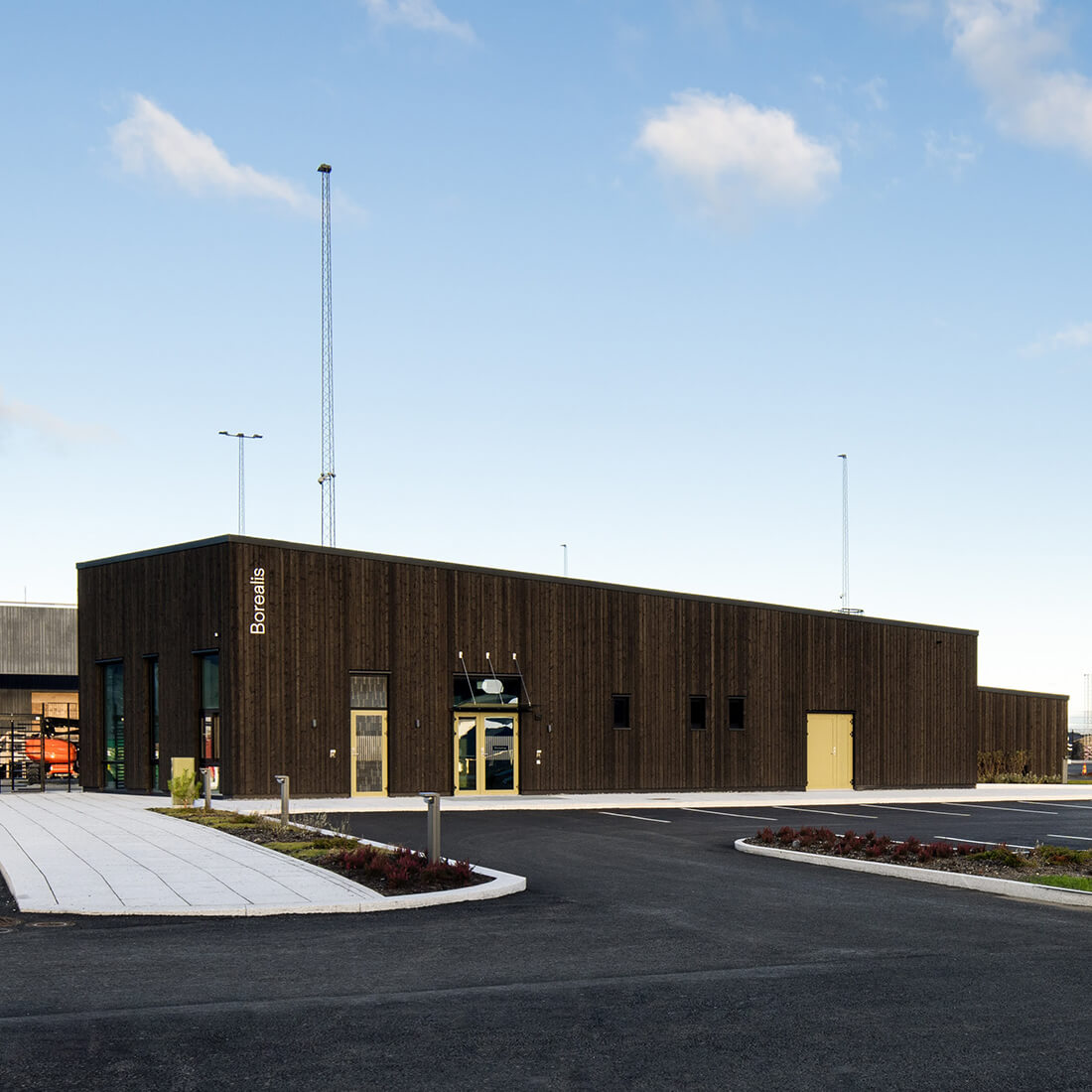
Start with the visual intention and the intended use. The styles guide and the colour guide are the fastest way to narrow that down. Species, brushing, colour treatment and coating all influence the final appearance and how the boards should be handled. A façade with a pronounced carbon layer creates a different character from a brushed finish with visible grain, even when both belong to the same charred-wood family.
Review the complete product—not only a small colour area—and coordinate it with the profile, board direction, joints and architectural details.
Designing with Charred Timber
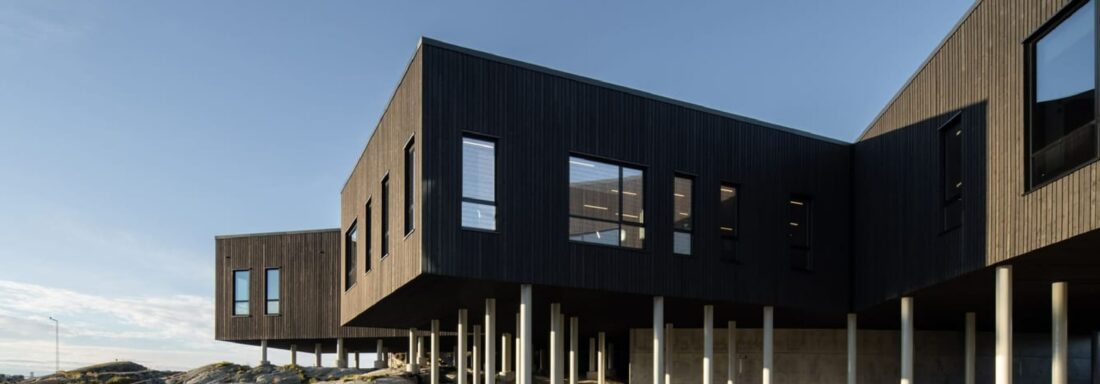
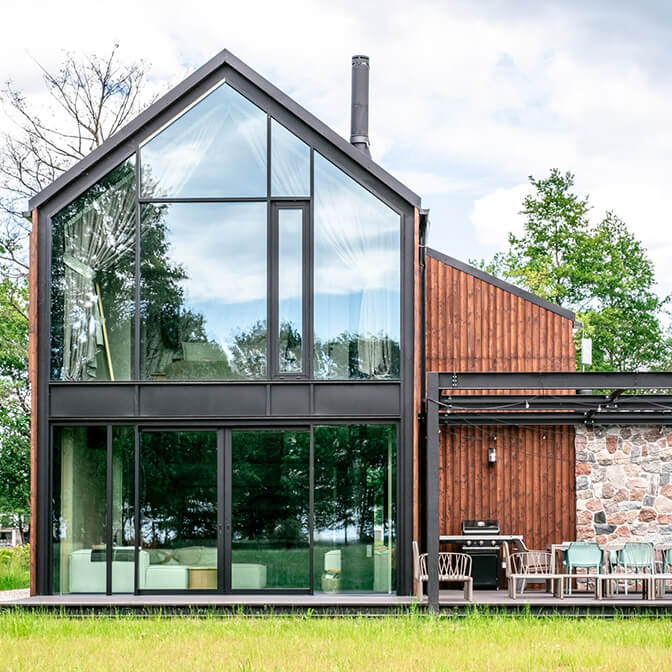
Charred timber works on restrained contemporary architecture, warm residential façades and expressive feature areas. Board width, direction, joint rhythm and what sits next to it, whether glass, metal, stone or untreated timber, change the character of the same finish completely.
Use colour and texture deliberately. Dark surfaces can create depth and definition, while warmer brushed finishes make the grain more visible and connect easily with natural surroundings.
Use Real Projects to Set Expectations
Project photography shows more than a product sample: it reveals scale, board direction, corner details, changing light and the relationship between timber and the wider building. Use the Degmeda project gallery together with representative samples when developing the design.
Why Architects Choose Charred Wood Cladding
Architects choose charred wood cladding for its expressive timber character, flexible design language and the practical benefits created by controlled surface treatment. The strongest results come from matching the product and detailing to the project rather than relying on broad claims.
Long-Term Value of Shou Sugi Ban Siding
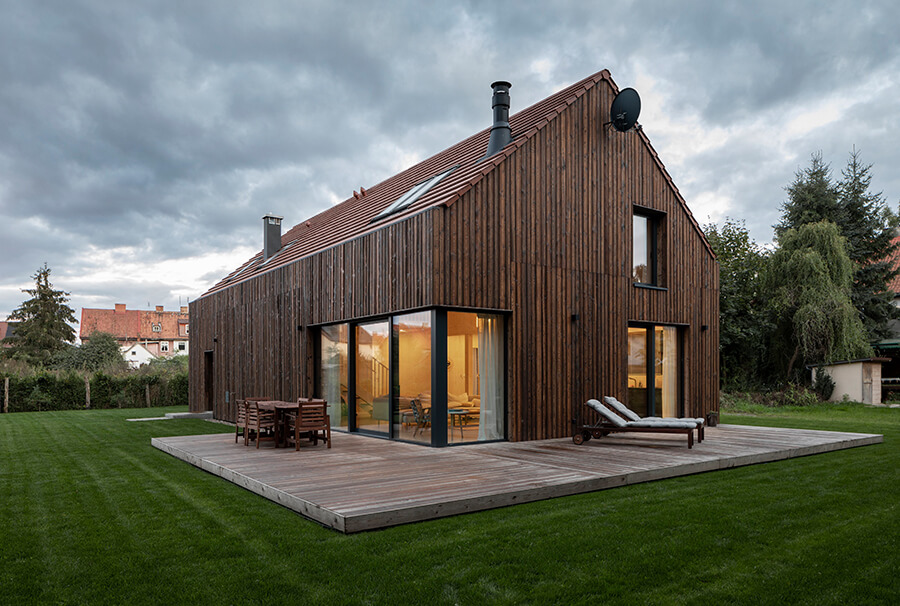
Charred wood cladding holds its value because it is repairable, carefully specified, and weathers with character. Some clients want the gradual greying. Others re-oil when the colour has shifted further than they like.
A well-specified charred facade lasts decades. How many depends on board quality, orientation, climate, detailing, installation and maintenance.
Wood Species for Charred Cladding
Degmeda works with spruce, larch, Thermo Pinus Radiata and Accoya for different charred-wood expressions. Spruce and larch are European-grown species with distinct grain and surface character. Thermo Pinus Radiata and Accoya both begin with Pinus radiata, but they follow different modification routes and should be treated as separate products.
The right choice follows the finish you want, the architecture, the exposure and the project. Compare finished samples rather than picking by species name.
Maintenance of Charred Wood Cladding
Inspect the façade periodically, especially at lower edges, corners, junctions, fixings and areas exposed to splashback or persistent shade. Keep ventilation and drainage paths open, remove surface dirt gently and address local damage early.
Maintenance is condition-based. Exposure, orientation, finish and the desired appearance all influence when attention is needed. See our guides to cladding cleaning, sealing charred wood and oil maintenance.
How to Specify Charred Wood Boards
Tell us the application, the appearance you want, the approximate area, the board direction and any profile or project requirements. Drawings, reference images and the location let us recommend a product route and prepare samples.
Final confirmation should cover the exact product, profile, finish, quantity, delivery requirements and any documentation required for the project.
What to Include in a Cladding Specification
Record the timber product, surface finish, colour, board dimensions, profile, orientation and intended application. Coordinate the supporting construction, ventilation, drainage, fixings, junctions and maintenance access with the responsible project professionals.
Where certification or a particular performance classification is required, confirm that it applies to the exact Degmeda product and intended assembly. A product name or visual finish alone is not a complete specification.
Shou Sugi Ban in Contemporary Architecture
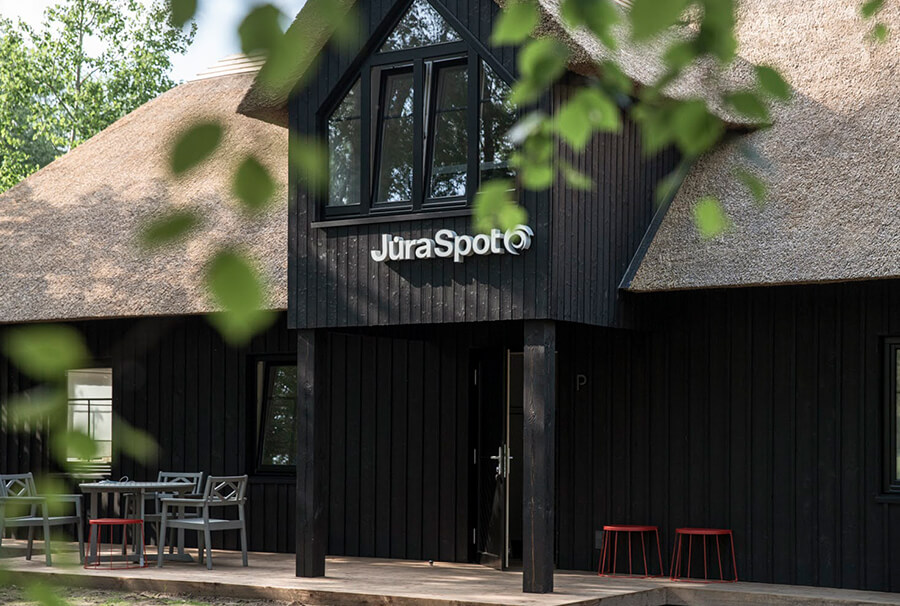
Charred timber has moved from a regional Japanese tradition into contemporary architecture around the world. Its continued relevance comes from the meeting of natural material, controlled craft and modern design—not from imitation of a single historic appearance.
Used thoughtfully, charred cladding can give a building a clear identity while remaining connected to the grain, variation and warmth of real wood.
Exterior and Interior Applications
Charred wood is used most often for ventilated exterior cladding, and selected finishes also suit interior walls, ceilings and soffits. Each application needs its own product, finish and installation approach.
For interiors, consider touch, the surrounding finishes and the indoor requirements that apply; the interior page covers what is supplied. Floors, stairs and built-in furniture are outside the range. For façades, coordinate exposure, drainage, ventilation, fixings and long-term access for inspection and care.
Planning Board Direction and Installation
Installation should be coordinated with the complete wall design. Profile, board direction, joints, ventilation, drainage, fixings and junction details all need to work together, and board direction changes more than appearance alone. Use an experienced installer and follow the confirmed project specification.
For a fuller comparison, see our guide to vertical, horizontal and diagonal siding.
Natural Variation Is Part of the Material
Real timber is not visually uniform. Grain, knots and the response to burning and brushing create variation from board to board. This gives a completed façade depth and prevents it from reading like a printed surface.
Samples show you the product family, not a promise that every board matches. Agree the overall character you want rather than expecting exact repetition.
Degmeda Quality Control
Degmeda inspects timber on arrival and sorts it when required before production begins. The four manufacturing stages are burning, brushing, oiling and packaging, with quality control at each stage.
This structured process helps the finished boards arrive ready for the agreed project specification, while preserving the natural character that makes timber distinctive.
Plan Your Charred Wood Cladding
Start with the building, the intended appearance and the practical requirements of the façade. Degmeda can help compare suitable products, prepare samples and develop a clear specification for the project.
Explore the charred wood collection, review completed projects or contact the team with your drawings and project details.