
Best Wood Types for Shou Sugi Ban
The best wood for a charred finish depends on more than how the board looks after burning. Species, grade, density, grain, resin, knots, dimensions, profile, exposure, coating and installation all influence the finished product.

Traditional Japanese Yakisugi uses sugi, the Japanese cedar (Cryptomeria japonica). Modern charred-wood manufacturers also process other suitable species. These products can be inspired by Yakisugi without being technically identical to traditional sugi boards.
For the terminology, manufacturing sequence and product context, see What Is Shou Sugi Ban? Charred Timber Explained.
How to Choose Wood for Shou Sugi Ban
Start With the Application
Exterior cladding, fencing, interiors and high-wear surfaces place different demands on timber. Before selecting a species, define the location, climate, orientation, expected moisture, mechanical contact, maintenance access and any fire or regulatory requirements.
A species that produces an attractive sample is not automatically suitable for every use. The complete Degmeda product—including board dimensions, profile, charring, brushing, coating and installation method—must match the project.
Decide the Surface Character
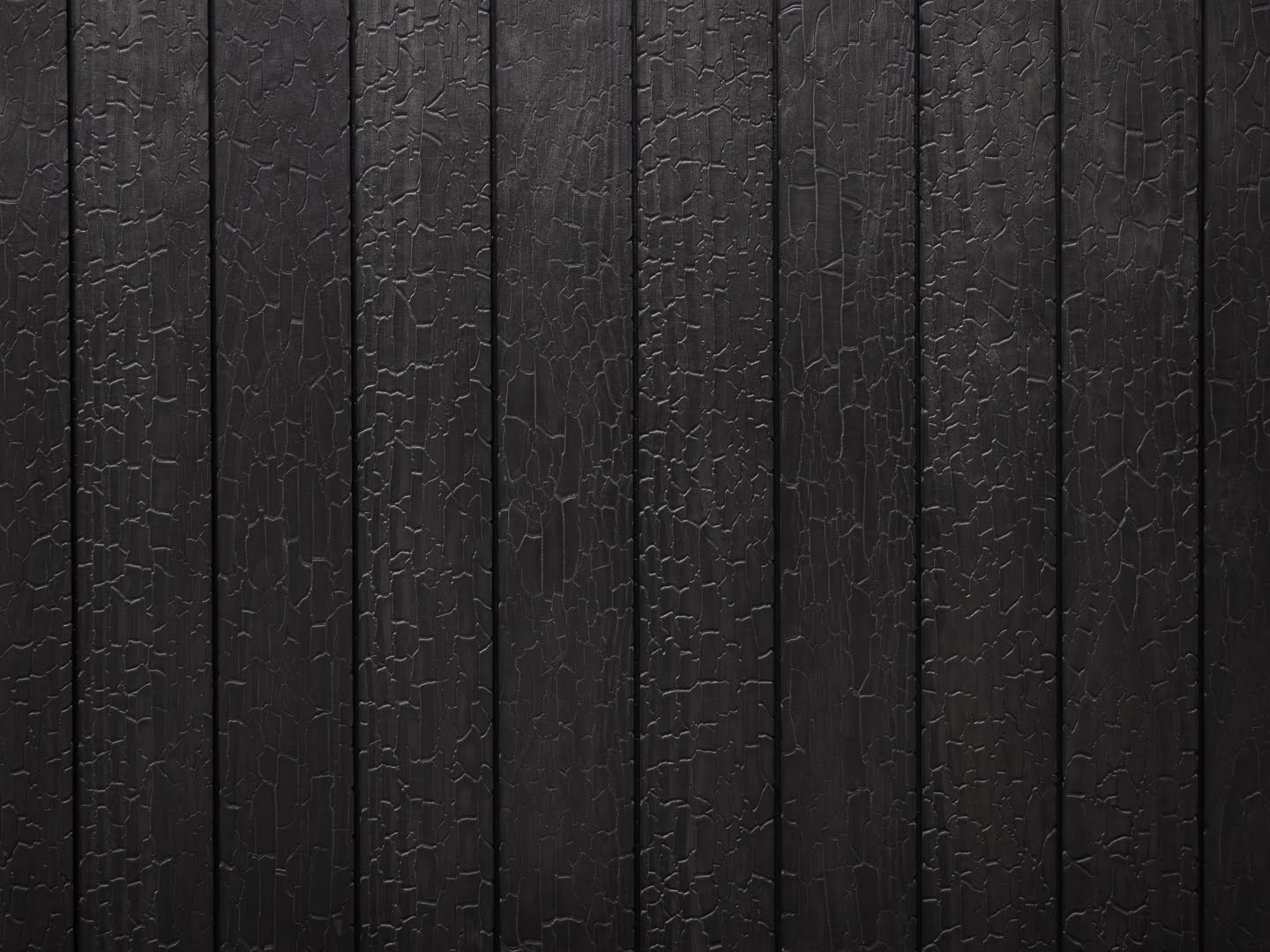
Open grain and strong growth-ring contrast can produce a dramatic brushed finish. Knots and resin create additional variation. A Deep Char surface looks and wears differently from a strongly brushed and coated surface.
Approve real samples rather than choosing off a screen. Timber variation, daylight and the sheen of the oil all make an installed facade look different from a photograph.
Consider Movement and Exposure
Every timber species absorbs and releases some moisture. Boards can expand, shrink, cup or check as conditions change. Species selection matters, but board width, moisture content, profile, fixing pattern, ventilation and architectural detailing are equally important.
No surface-charring process compensates for trapped water, inadequate clearances or an unventilated facade. Exterior boards must be able to drain and dry.
Accoya for Charred Wood
Accoya is acetylated wood made primarily from radiata pine. Acetylation changes the wood’s response to moisture and improves dimensional stability and durability. It does not turn softwood into hardwood, make the board completely non-absorbent or remove the need for correct detailing.

Appearance
Accoya can produce a refined, comparatively even surface with clear grain definition. Whether the finish is Deep Char or brushed, together with the coating system, determines whether the final look is black, brown, grey or more visibly grained.
Specification Considerations
Accoya’s stability earns its place on demanding exterior joinery and cladding. Performance statements and warranties belong to a specific product, use and installation, and charring, profiling, oil and fire treatment all change which documentation applies. Ask us what covers the board you are actually getting.
Thermo Pinus Radiata for Charred Wood
Thermo Pinus Radiata is thermally modified radiata pine with a visible growth pattern that responds strongly to brushing and colour. It runs from relatively smooth and warm-toned to deeply textured, depending on how it is produced.
Appearance
The contrast between earlywood and latewood gives expressive grain after charring and brushing. Knots and resin are natural features, so make sure the samples you approve include them.
Specification Considerations
Radiata pine is not inherently resistant to shrinkage, swelling, decay or every exterior exposure. Durability depends on the exact timber product, sapwood content, modification or treatment, coating, detailing and use. Degmeda supplies brushed and oiled boards for decking, and Deep Char is not suitable underfoot. Floors are outside the range.
Larch for Charred Wood
Larch is valued for its pronounced grain, density and warm underlying colour. Charring can create strong contrast, while brushing exposes the harder growth rings and produces a tactile surface.

Appearance
Larch can achieve bold black, brown and amber finishes with clearly visible grain. Natural resin, knots and growth variation make each board individual. Ask for a sample set that shows this range rather than a single uniform-looking board.
Specification Considerations
Larch can check or move as exterior moisture conditions change. Correct board quality, dimensions, profile, end treatment, fixing pattern and ventilation help manage this behaviour. Statements about mould, insects or decay must be tied to the exact product and intended use, not to the species name alone.
Spruce for Charred Wood
Spruce is a widely available European softwood with a light base colour, visible knots and a natural grain that can be emphasised by charring and brushing. It supports finishes ranging from warm brown to grey and deep black.

Appearance
The contrast between the pale timber and a dark char makes spruce visually versatile. Brushed finishes reveal grain and knots, while Deep Char products create a more uniform dark face. Natural variation remains part of the product.
Specification Considerations
Spruce requires particular attention to moisture management and full-system detailing in exterior use. Species alone does not provide a durability guarantee. If you are asking about a specific timber, can Douglas fir be charred works through one example in detail. Coating, treatment where specified, clearances, drainage, cavity ventilation and compatible fixings all influence long-term performance.
What About Traditional Cedar?
Traditional Yakisugi uses Japanese sugi, not every timber sold internationally as “cedar” or “cypress.” Western red cedar, Japanese cedar and the other commercially named cedars have different properties and are not interchangeable.
Historical Yakisugi buildings demonstrate the potential of the traditional material and construction system. They do not prove that every modern charred species or facade will have the same lifespan. Confirm current cedar availability with Degmeda rather than assuming it.
Ageing and Maintenance for Every Species
All exterior charred wood changes over time. Sunlight, rain, pollution, orientation and handling affect colour, coating and surface texture. Deep Char is sensitive to rubbing; brushed and coated products have a different wear pattern.
Inspect the installation regularly and after severe weather. Check lower edges, corners, openings, penetrations, joints, cut ends and fixings. Remove dirt gently with a soft brush and a mild cleaner approved for the finish. Avoid aggressive pressure washing and harsh chemicals.
There is no universal ten- or fifteen-year oiling schedule and no automatic 100-year lifespan. Recoating and repair should follow the condition of the exact product, local exposure and coating guidance.
Fire, Moisture and Durability Claims
Controlled charring improves the exposed surface’s resistance to moisture uptake, weathering, biological decay and insect activity. Timber remains a moisture-responsive, combustible material, so the complete product and façade design still matter. Any required reaction-to-fire classification must be supported by documentation covering the exact Degmeda product, including species, thickness, profile and treatment.
Environmental or durability claims should likewise relate to current product documentation. The species name by itself is not enough evidence.
How Degmeda Controls the Manufacturing Result
Incoming timber is inspected on arrival and sorted when necessary before production begins. Degmeda then follows four manufacturing stages: burning, brushing, oiling and packaging, with quality control at every stage.
All boards pass through a controlled burning process using dedicated furnaces. Product differences come from the base timber, brushing, oiling, coating and colour system. Deep Char has a strongly textured black surface, while brushed finishes reveal more of the timber grain.
How to Select the Right Degmeda Product
Begin with the application and exposure, then compare representative samples. Confirm the complete written specification: base timber, grade, dimensions, profile, orientation, surface treatment, brushing, colour or coating, end treatment, fixings, substructure, cavity and maintenance guidance.
Choose by surface character
For a pronounced textured black surface, look at Deep Char, and read its handling requirements before you specify it. For visible grain and natural texture, brushed spruce or larch bring out the knots and growth patterns. Charred Thermo Pinus Radiata gives a more linear look. Accoya® is chosen where dimensional stability matters most.
Degmeda’s current charred-wood ranges use spruce, larch and Thermo Pinus Radiata, alongside Accoya®—an acetylated modified-wood product made primarily from Pinus radiata. Thermo Wood is also offered as a separate product category. For decking enquiries, suitability should be assessed for the chosen product, profile, exposure, drainage, grip and expected foot traffic rather than inferred from a cladding specification.