
How Durable Is Shou Sugi Ban Wood?
Charred timber cladding lasts decades when it is installed properly and looked after. Charring alone is not what makes it durable, though. The species, the grade, the finish, the design of the wall and the way the boards are fixed all matter just as much. Can Douglas fir be charred works one species through in detail.
There is no single number that fits every board, because the conditions differ so much. A sheltered wall and a horizontal surface taking standing water and foot traffic are not the same job.
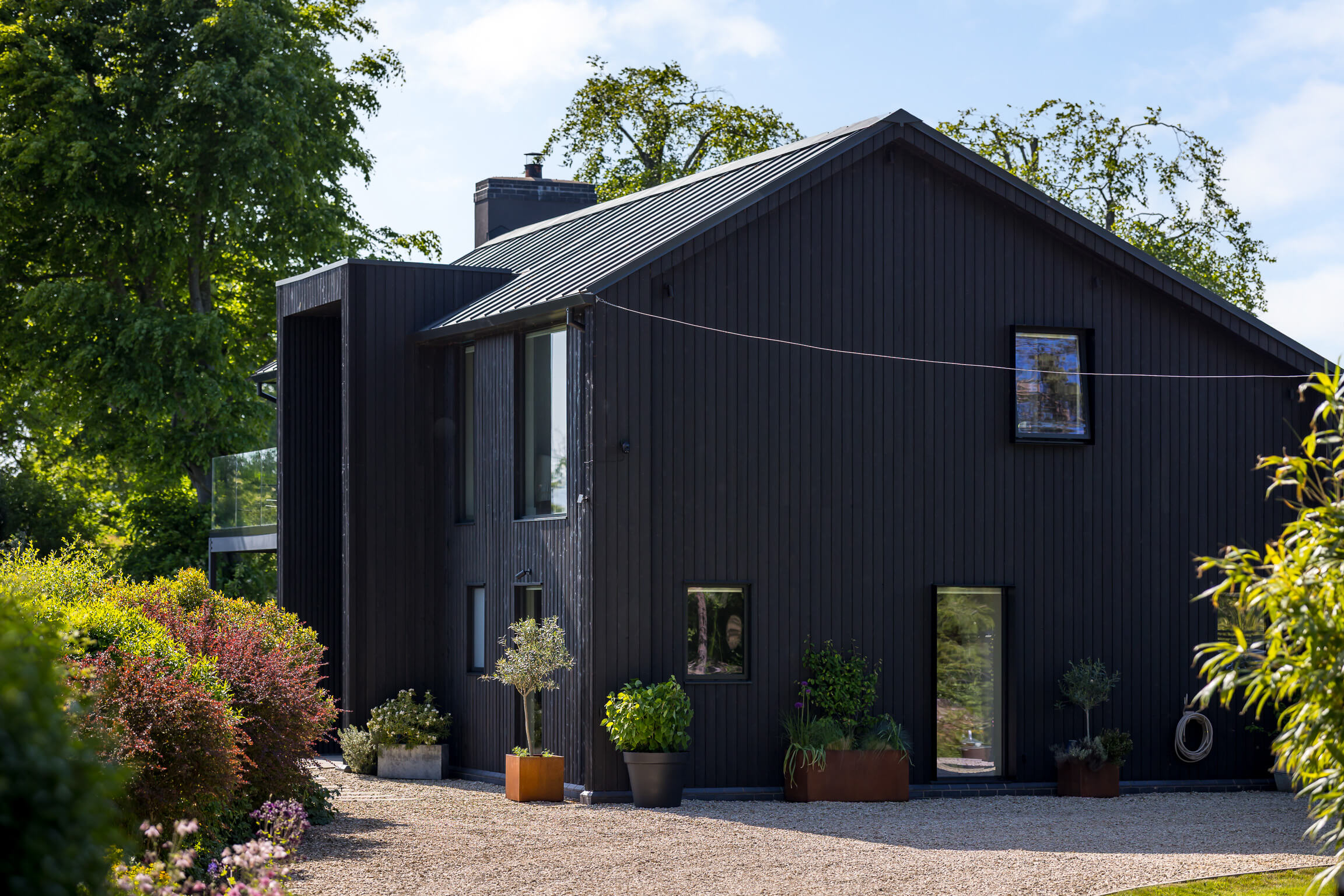
What Does Durability Mean for Charred Timber?
Durability means four different things, and they do not always go together. Resistance to rot and insects. Dimensional stability, meaning how much the wood moves as it takes on and loses moisture. Surface toughness against scratches and knocks. And visual durability, meaning how long the colour and texture still look the way you wanted.
A product can perform well in one area and still require attention in another. A biologically durable or modified board may weather in colour. A stable board can still dent or scratch. A Deep Char surface can remain visually distinctive while being sensitive to direct contact.
Factors That Determine Shou Sugi Ban Durability
Timber Species, Grade and Sapwood
Wood species differ in natural durability, density, movement, hardness, resin content and surface texture. Heartwood and sapwood from the same tree behave differently too. Charring does not erase those differences, so the species still matters.
Match the species, grade, dimensions and moisture content to the project. Product documentation tells you more than any general claim about softwood or hardwood.
Surface Treatment
Degmeda develops each surface through controlled burning, brushing and finishing. For the complete manufacturing sequence and quality checks, see how Degmeda makes charred wood.
Deep Char keeps the thick carbon layer formed during charring, which is what gives the surface its depth and texture. That layer rewards careful handling. Brushed finishes take off more of the loose material and open up the grain. Most are then oiled to reach their colour, though Natural and Dark Natural are left unoiled.
Coating and Colour System
Where a finish is oiled, the oil gives the colour and slows how much moisture the surface takes in. Sun, rain, dirt and handling change any outdoor finish over time. Dark, strongly pigmented colours show scratches and local wear more than natural tones do.
There is no predetermined maintenance schedule. Sheltered elevations hold their finish longer than south- and west-facing walls taking full sun and driven rain.
Exposure and Intended Use
Vertical cladding drains and dries faster than horizontal boards used for decking, steps or caps. Ground level, splashback, roof overhangs, sea air, shade, snow, planting and nearby paving all change how wet the boards get.
Anywhere people and things touch the boards will wear faster. Furniture, tools, bikes, shoes and cleaning all scuff the surface. Where that is unavoidable, pick a finish you are happy to repair.
Design and Installation
Durable cladding depends on a drained and ventilated wall design, correct flashings, protected interfaces and suitable fixings. End grain and cut edges require the specified treatment. Boards need the correct support spacing, fixing positions and allowance for movement.
The base of the facade should remain clear of persistent wetting, soil and trapped debris. Windows, doors, parapets, balconies and transitions between materials need particular attention because water problems often begin at these interfaces.
How Does Charred Timber Age Outdoors?
Outdoor timber changes colour. Sun fades the oil and lightens exposed wood, and rain moves dirt around. Sheltered areas keep their original look longer, so different elevations, and sometimes neighbouring boards, will not match exactly.
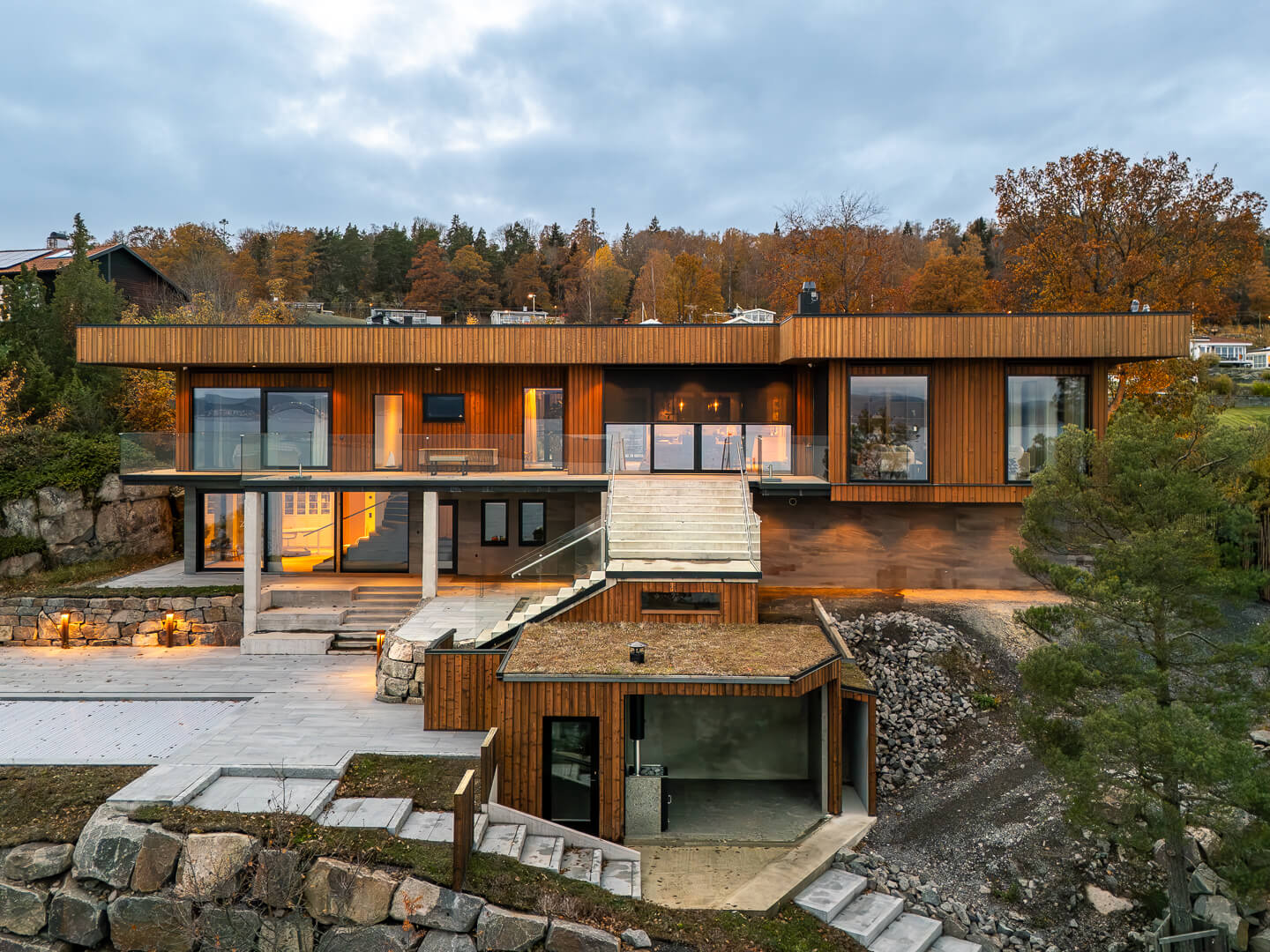
Natural variation, fine surface cracking and gradual greying are not faults. What matters is whether water drains away, the boards are still firmly fixed, the wood can dry, and the surface still looks how you wanted.
Uneven staining, persistent dampness, loose boards, failed coatings, corroding fixings or damaged junctions require investigation. Correct the cause before applying cosmetic treatment.
How Charring Supports Moisture and Biological Durability
Charring changes the outer surface so it takes up less moisture and resists weathering, decay and insects better. It works best combined with the right species, profile, oil and a well-built facade.
Good drainage, ventilation and separation from persistent moisture help the boards dry correctly and perform over time. End grain, joints, fixings and exposed interfaces should be detailed carefully. Read the focused guides to charred wood and water resistance and moisture-related decay risk for more detail.
Charred Timber and Fire Performance
The carbon layer changes how the timber behaves in a fire. If your project needs a certified fire classification, ask us for the certificate covering the exact product.
The documentation has to match the exact product as tested: the species, thickness, profile, treatment and orientation recorded on the certificate. Our two certified products are classified with or without a ventilated cavity behind the boards.
Maintenance for Long-Term Performance
- Inspect cladding periodically and after severe weather or nearby construction.
- Keep drainage paths, cavity openings and the base of the facade clear.
- Look for persistent dampness, coating breakdown, loose fixings and damaged interfaces.
- Clean with the least aggressive method approved for the exact finish.
- Avoid unnecessary pressure washing, hard brushing or rubbing of Deep Char surfaces.
- Renew coatings when their condition and the product instructions indicate it is necessary.
- Record the product, colour and coating so later repairs use compatible materials.
For cleaning guidance, see how exterior timber cladding should be cleaned.
Repairing and Replacing Charred Boards
Local damage rarely means replacing the whole facade. Small areas can usually be cleaned, re-oiled or repaired. Deep Char is hard to match invisibly once it has been abraded, so keep spare boards from the original batch.
If a board is cracked, insecure, persistently wet or extensively damaged, replacement may be the safer option. How long charred timber lasts covers service life and when replacement makes more sense than repair, and a fence is worth inspecting more often than a facade because both faces are exposed. Investigate the underlying cause so the same problem does not affect the new board.

How Long Will Shou Sugi Ban Wood Last?
Decades, provided the cladding is installed properly and maintained when it needs it. The species, board quality, detailing and installation all have to suit the climate and exposure. Historic timber buildings show what well-chosen wood does when the design protects it.
Judge durability against the actual product documentation, the declared use, the wall design and the maintenance plan. Where service-life assumptions are required for design or environmental assessment, they should be stated together with their conditions and source.
Specifying Durable Degmeda Charred Timber
Degmeda has been operating since 2018. To recommend an appropriate charred timber specification, we need the project location, building type, drawings, wall build-up, orientation, exposure, intended use, fire requirements, preferred species, profile, finish, contact level, maintenance expectations and approximate quantity.
Approve a physical sample representing the complete specification. For larger projects, review a multi-board mock-up outdoors so that natural variation, joint rhythm, texture and colour can be assessed before production.