
Yakiita: The Timeless Art of Yakisugi Charred Wood
Yakiita, Yakisugi and Shou Sugi Ban are all names you meet around charred timber, and they do not mean the same thing. Yakisugi is the Japanese term for the traditional charring of sugi boards, while Shou Sugi Ban is the name that took hold outside Japan and now covers a much broader range of charred-wood products. Shou Sugi Ban or Yakisugi goes through the distinction in full.
This page explains what charring does to a board and what Degmeda actually supplies. If you want the broader introduction first, start with What Is Shou Sugi Ban.
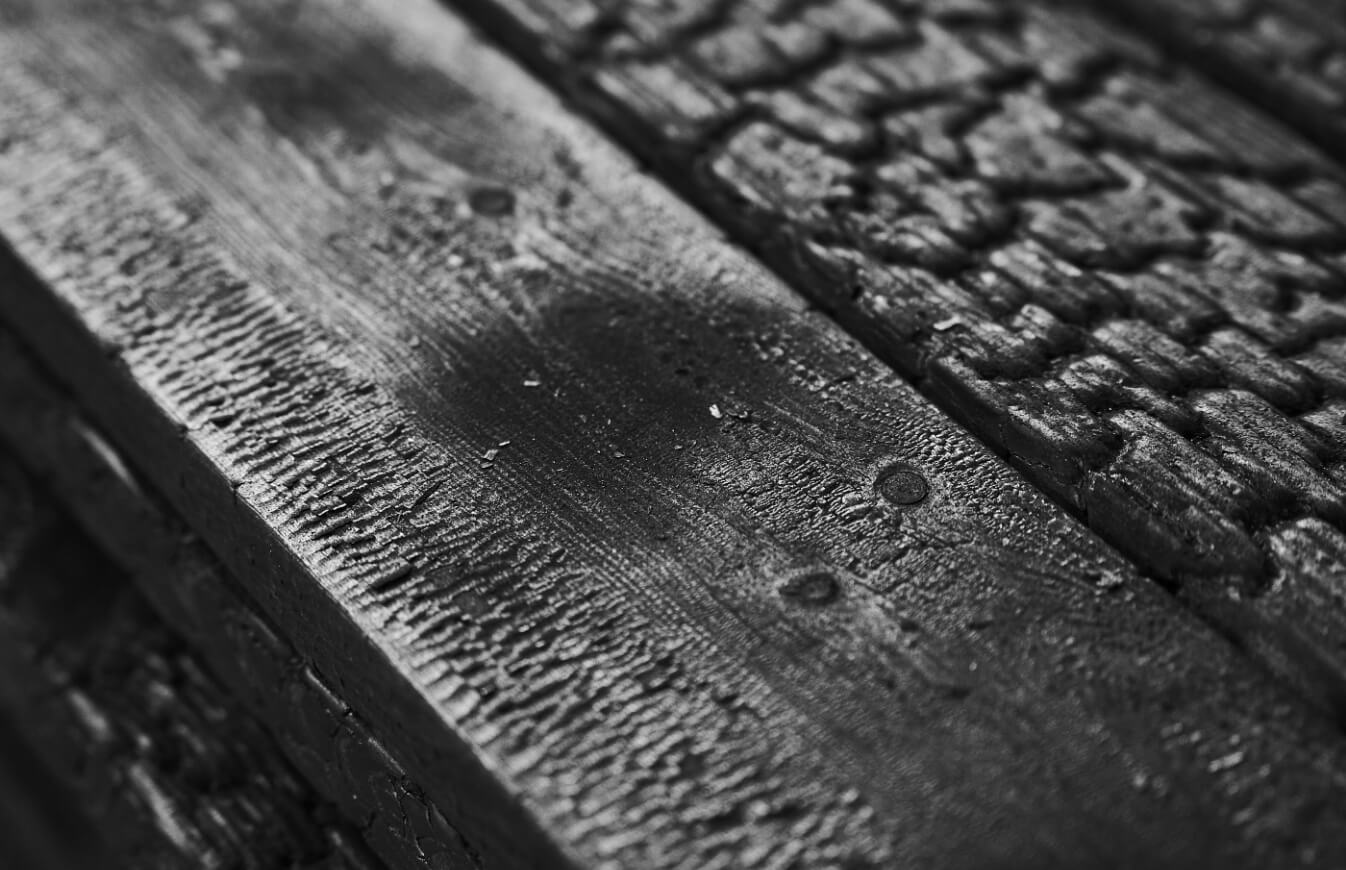
A Japanese technique, made in Lithuania
Degmeda chars timber in Lithuania on modern equipment, in four families: Charred Spruce, Charred Larch, Charred Thermo Pinus Radiata and Charred Accoya®. Best wood types covers how species and modification change what you get.
These are European products made with a Japanese technique. They are not traditional Yakisugi, and describing them that way would be inaccurate — the species, the equipment and the finishing are all different. That is worth saying plainly rather than borrowing heritage the product does not have.


Before you specify
Which product suits cladding, decking or fencing depends on the exposure, the detailing and the complete build-up behind the boards. The styles guide and colour guide are the two worth reading before you choose, and the manufacturing page covers how the boards are made. Tell us the application and we will confirm what we supply for it.
Charring alone does not give a facade a fire classification. Where a project needs one, our B-s1, d0 page sets out what is certified and what it depends on.