
The Different Styles of Shou Sugi Ban
Shou Sugi Ban styles are created by combining timber species, surface finish, texture and coating. These choices determine how much grain remains visible, how the surface feels, how it responds to contact and how its colour changes outdoors. The traditional charred board itself is covered in yakiita.
What Determines a Shou Sugi Ban Style?
Timber and Modified-Wood Selection
Spruce, larch and Thermo Pinus Radiata are materials with different grain, density, knots, resin and underlying colour. Accoya is acetylated wood made primarily from Pinus radiata and is a modified-wood product rather than a separate species. These differences mean the same charring and coating process can produce a different visual result on each product.
Surface Treatment
Species, brushing and finish decide what you end up looking at. Deep Char has a strongly textured black surface; brushed products show more grain and colour underneath. See our production-process guide for the complete overview.
Brushing Level
Brushing removes the char layer and opens up the grain underneath. Light brushing gives the surface you see on Dark Natural. Deeper brushing takes it further, to the surface you see on Natural.
Coating and Colour
Oils, translucent coatings and pigmented finishes deepen, soften or change the starting colour. The finish also sets the sheen, holds down loose residue and shapes what maintenance looks like later. Specify it as part of the product, not as something added at the end.
Deep Char and Textured Finishes
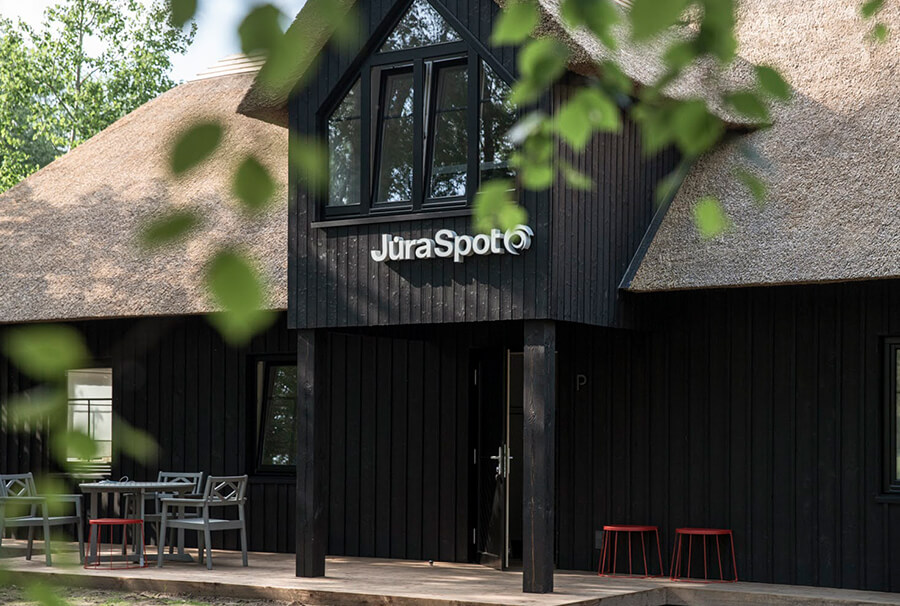
Deep Char is the most recognisable blackened surface. Depending on the species and the production run it shows cracked, scaled or alligator-like texture.

Where It Works Visually
It throws strong shadows and depth on modern facades, feature walls and architectural details. Large uninterrupted areas show the texture best.
Contact and Maintenance
Deep Char belongs on surfaces people look at rather than touch. On facades and feature walls it gives strong colour and relief. Rubbing, impact and high-traffic positions damage it.
Brushed Charred Wood
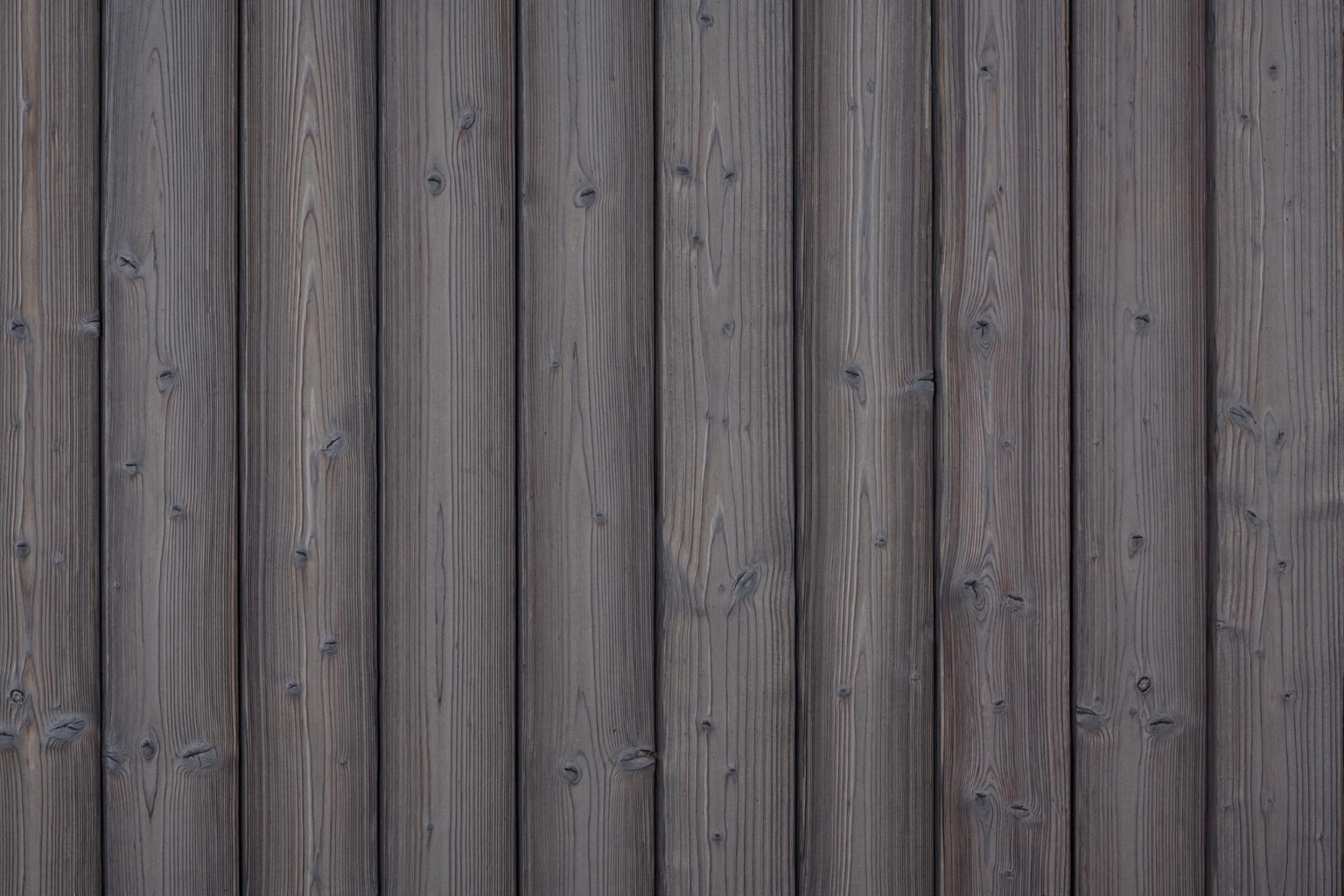
Brushing removes the char layer and exposes the grain underneath. The oil applied afterwards decides the final colour, from dark black-and-brown contrast through to lighter amber and grey tones.
Grain and Natural Variation
Brushed surfaces make knots, resin and growth rings more visible. That gives a lively natural facade, and it also means colour and pattern vary from board to board. Ask for a sample set that shows the full range rather than one representative board. How the burnt look is produced explains where that appearance comes from.
Handling and High-Contact Areas
A brushed finish is smoother than Deep Char. For interior walls, entrances and anywhere people brush past, you need a finish that will not mark clothing or shed residue.
Smooth, Coated and Pigmented Styles
Heavier brushing with a compatible coating gives a smoother architectural surface that still shows the grain. Pigment adds black, brown, amber, grey or other controlled tones.
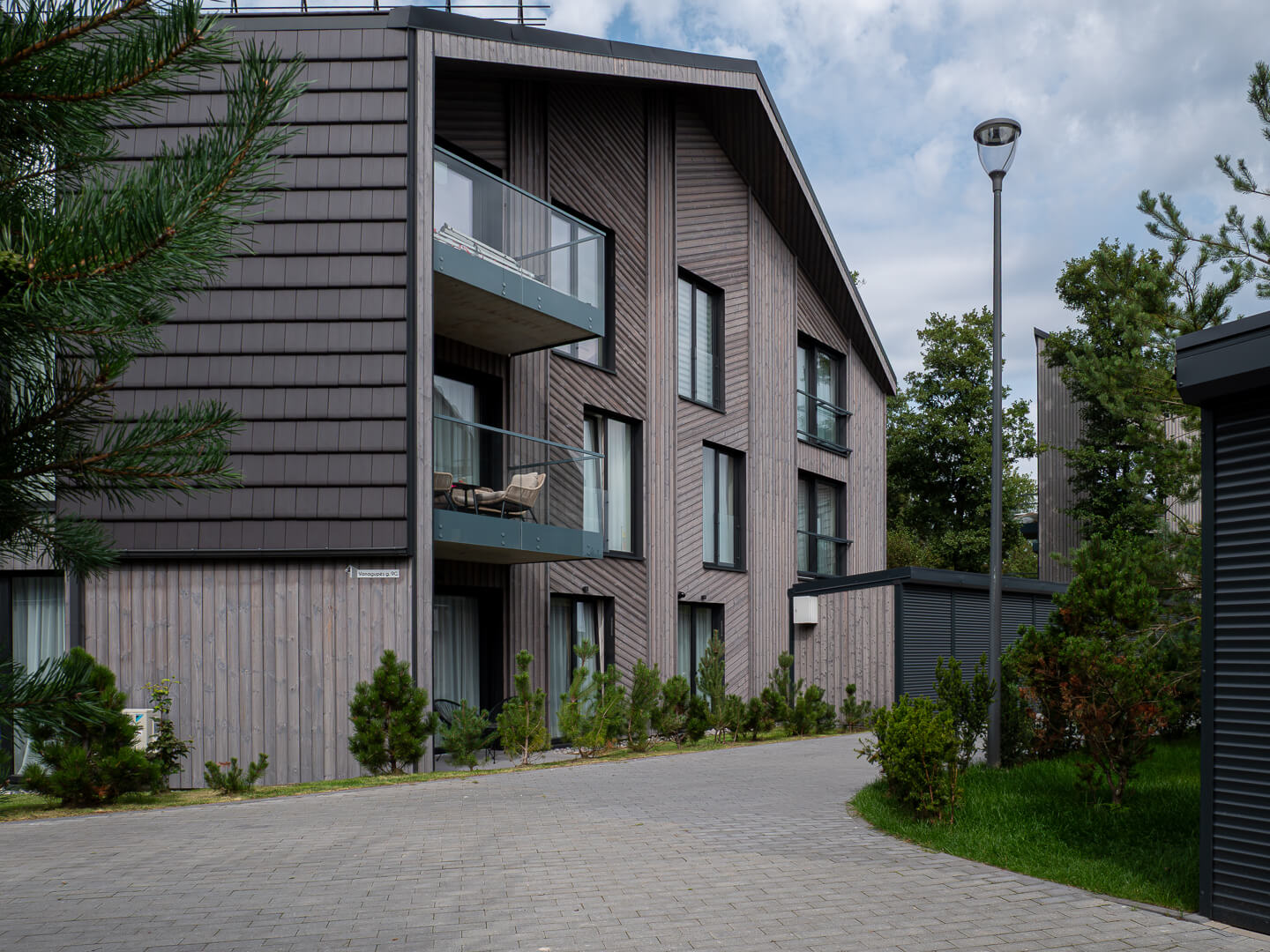
A coated surface still changes. Sunlight, rain, pollution and contact work on the pigment, the sheen and the adhesion. Dark and light finishes weather differently, and sheltered parts of a facade hold their colour longer than exposed ones.
Combining Styles on One Building
You can combine surface treatments, species or orientations, but design the junctions deliberately. Mixing profiles or board directions changes drainage, ventilation and fixing requirements, not just the look.

Use a facade mock-up to review colour, texture, joint alignment, corners and transitions. Confirm how each finish will age and whether differences between sheltered and exposed sections are acceptable.
How Each Style Ages Outdoors
Sunlight
Ultraviolet exposure can fade pigments, soften contrast and change the underlying timber colour. Elevations facing different directions may age at different speeds.
Rain and Architectural Shelter
Rain can wash textured surfaces and erode coatings, while roof overhangs, reveals and recessed areas remain sheltered. This can create visible ageing zones on the same facade.
Mechanical Wear
Branches, furniture, maintenance equipment and everyday human contact polish, mark or damage charred surfaces. Deep Char and brushed coated products react differently, so match the finish to the contact you expect.
Cleaning and Maintenance
Inspect the installation regularly and after severe weather. Check for loose surface material, coating wear, damaged boards, open joints, cut ends and fixings. For routine cleaning, use water with a soft cloth or soft brush and avoid strong chemicals.
If an oiled surface needs renewal, use a compatible product from the same coating system. Apply a thin coat along the grain and remove excess oil. Pressure washing can damage the char, coating or wood fibres, so it should be considered only with extreme care after testing a discreet area. There is no recoating interval to follow: re-oil when the boards need it or when you want the colour back. Continue with our guides to cladding cleaning and oil maintenance.
Performance Must Be Specified Separately
Charring improves resistance to moisture, weathering, decay and insects. Wood is still combustible and still responds to moisture. A reaction-to-fire classification belongs to a specific tested product, not to charred wood in general. Where a project needs one, use a Degmeda product covered by current classification documentation, and check whether the building also requires certification for the complete facade system.
Species, thickness, profile, fire treatment, coating, cavity, membrane, insulation, fixings and installation conditions all affect performance.
How to Choose a Degmeda Style
Start with the intended use, exposure, contact level and desired ageing. Then approve physical samples made from the selected species, profile, surface treatment and coating. For larger projects, review a multi-board mock-up in daylight.
Confirm the complete written specification: species, grade, dimensions, profile, orientation, surface treatment, colour, sheen, end treatment, fixings, substructure, cavity and maintenance guidance. Ask us what is currently available before you order.
Compare colour families in The Beautiful Colors of Shou Sugi Ban Wood, and continue to Shou Sugi Ban Siding when selecting a cladding product.