
Timber Siding: Design, Installation and Care
Timber siding gives a building natural depth, visible grain and an appearance that develops with its surroundings. The best results come from treating the facade as one complete design: wood species, surface, colour, profile, orientation, installation and future care all need to work together.

Designing with Timber Siding
Every timber board has its own grain, knots and natural variation. Together, these details give the facade rhythm and character. Architects can strengthen that expression through the board direction, profile, width, shadow lines and the way the cladding meets windows, doors and corners.
Vertical boards emphasise height, horizontal boards stretch a building lengthways, and diagonals make a stronger graphic statement — board direction covers what each one changes behind the boards as well. On a long, low house the choice matters more than usual, which is the subject of siding for ranch-style homes. The right direction follows the architecture, and it has to suit the profile and installation system too. Compare the options in our board-orientation guide.
Species, Surface and Colour
Spruce, larch and Thermo Pinus Radiata each show the charring process differently. Degmeda works mainly with conifer species because their grain responds particularly well to burning and brushing. A smooth or lightly textured surface creates a different architectural result from a pronounced charred texture. The pros and cons of wood siding sets out what timber asks of you in return.
The colour range runs from natural and warm browns through grey to deep black. Look at physical samples in daylight: grain, texture and the materials around them all change how a colour reads.
Charred Wood and Thermo Wood
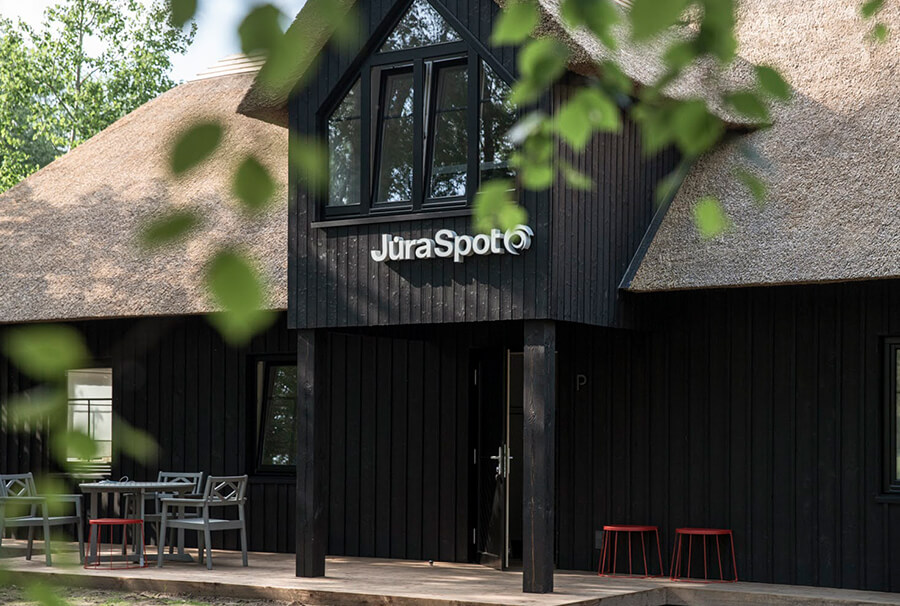
Charred wood brings a distinctive black surface and texture while keeping the material character of timber visible. Its colours come from the timber, the brushing and the oil. Brushing reveals more of the grain, and an applied colour finish can create warm, dark or grey tones. The selected product should match the intended use, exposure and architectural expression. See Shou Sugi Ban Siding for a focused selection guide.
Thermo Wood offers another timber-cladding direction with warm natural tones, stable appearance and options for brushing or colour treatment. Where a project combines product categories, samples should be reviewed together so the final facade remains visually coherent.
Planning the Facade
Good timber cladding depends on the whole wall, not just the board you can see. Design it so rainwater drains and the construction dries. Settle the ventilation, openings, corners, base details and connections to other materials before installation starts.
Board profiles, fixings and supporting construction must suit the selected product and project conditions. Current Degmeda guidance, the building design and local requirements should guide the installer. Careful preparation also produces cleaner lines and more consistent spacing across the facade. Our profiles and layouts guide explains the main system choices.
Installation Quality
Inspect the material before installation and keep boards protected according to the supplied guidance. During fitting, maintain the planned alignment, spacing and detailing. Cut ends and exposed edges require the same level of care as the main board surface.
Experienced installation matters because small inconsistencies become visible across a large elevation. A clear sample area can help confirm board direction, fixing method, colour distribution and the treatment of details before work continues across the full building.
Watch: Practical Guidance When Working with Charred Wood
This short Degmeda video demonstrates practical details that help protect the finished appearance: treating exposed edges, handling fixings correctly and responding to local mechanical surface damage.

Weathering and Maintenance
Exterior timber changes in response to sunlight, rain, orientation and local exposure. Sheltered and exposed elevations may develop at different rates. Regular visual inspection helps identify dirt, local coating wear, damaged boards or details that keep the timber damp.
Clean gently, with products suited to the finish. If you want to hold a particular colour, go by the condition of the surface rather than a fixed schedule. Continue with our guides to cladding cleaning and oil maintenance.
Repair and Renewal
A timber facade can be assessed board by board. You can clean, refresh or replace one area and keep the character of the whole. Record the product, colour and profile during the original project and later repairs become straightforward.
Creating a Clear Timber Siding Specification
Before ordering, settle the species, surface, colour, profile, orientation, exposure and installation approach. Look at samples beside the other exterior materials, and agree how the facade is meant to age. Then the designer, the installer and the owner all expect the same thing.
Learn more in Degmeda’s timber cladding guide, then contact the team to discuss samples and project requirements.