
Wood Siding: Pros and Cons
Wood siding gives a building warmth, depth and natural variation that manufactured materials cannot copy. It is also part of the external wall, so it has a job to do beyond looking good. The species, profile, finish, exposure, ventilation and workmanship all decide how well it does that job.

Advantages of Wood Siding
Natural Appearance and Design Flexibility
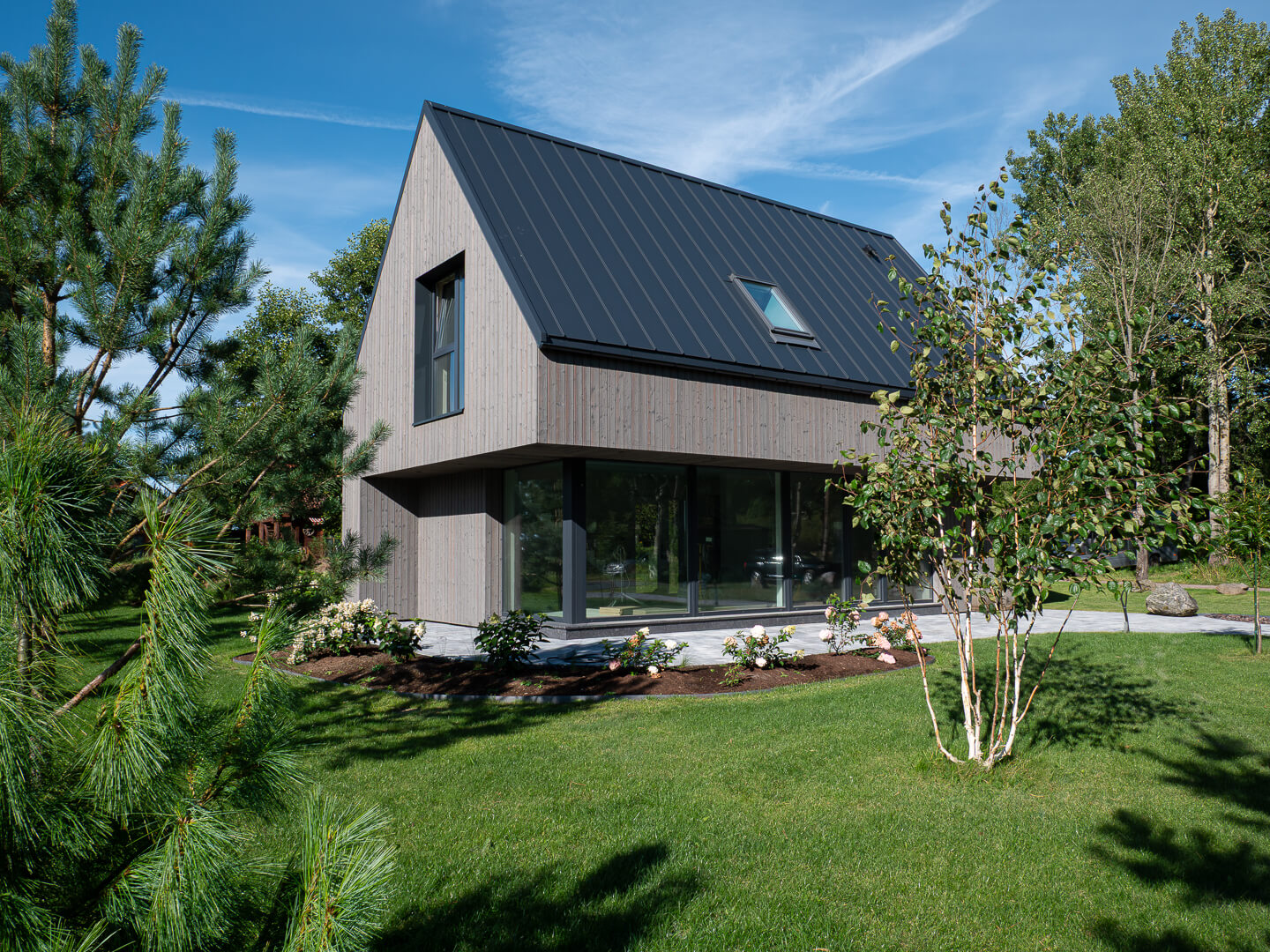
Every timber board has its own grain, colour and knot pattern. Wood siding can suit contemporary, traditional and rural architecture, and profiles can be arranged vertically or horizontally when the chosen product and wall details allow it. Surface texture, board width, joint design and finish can change the visual character substantially.
Colour and surface options run from natural and translucent finishes through to Deep Char, brushed, oiled or opaque-coated surfaces. Always see a physical sample before ordering. Timber varies, and light and weathering change how the finished facade looks.
Repairability and Renewal
You can usually repair or replace a single board without touching the rest of the facade, and depending on the finish you can also clean, re-oil or refinish it. That is a real advantage over sheet materials, which often have to come off in whole panels.
Material Efficiency and Responsible Sourcing
Wood is a renewable material when it comes from responsibly managed forests. It also stores biogenic carbon during its use. However, no cladding is automatically sustainable by virtue of its material name. Species origin, forestry certification, processing, coating, transport, service life, maintenance and end-of-life route all belong in a credible environmental assessment.
Long-Term Potential
Well-chosen, well-installed timber cladding lasts decades. How many decades depends on species, treatment, climate, orientation, ventilation and installation.
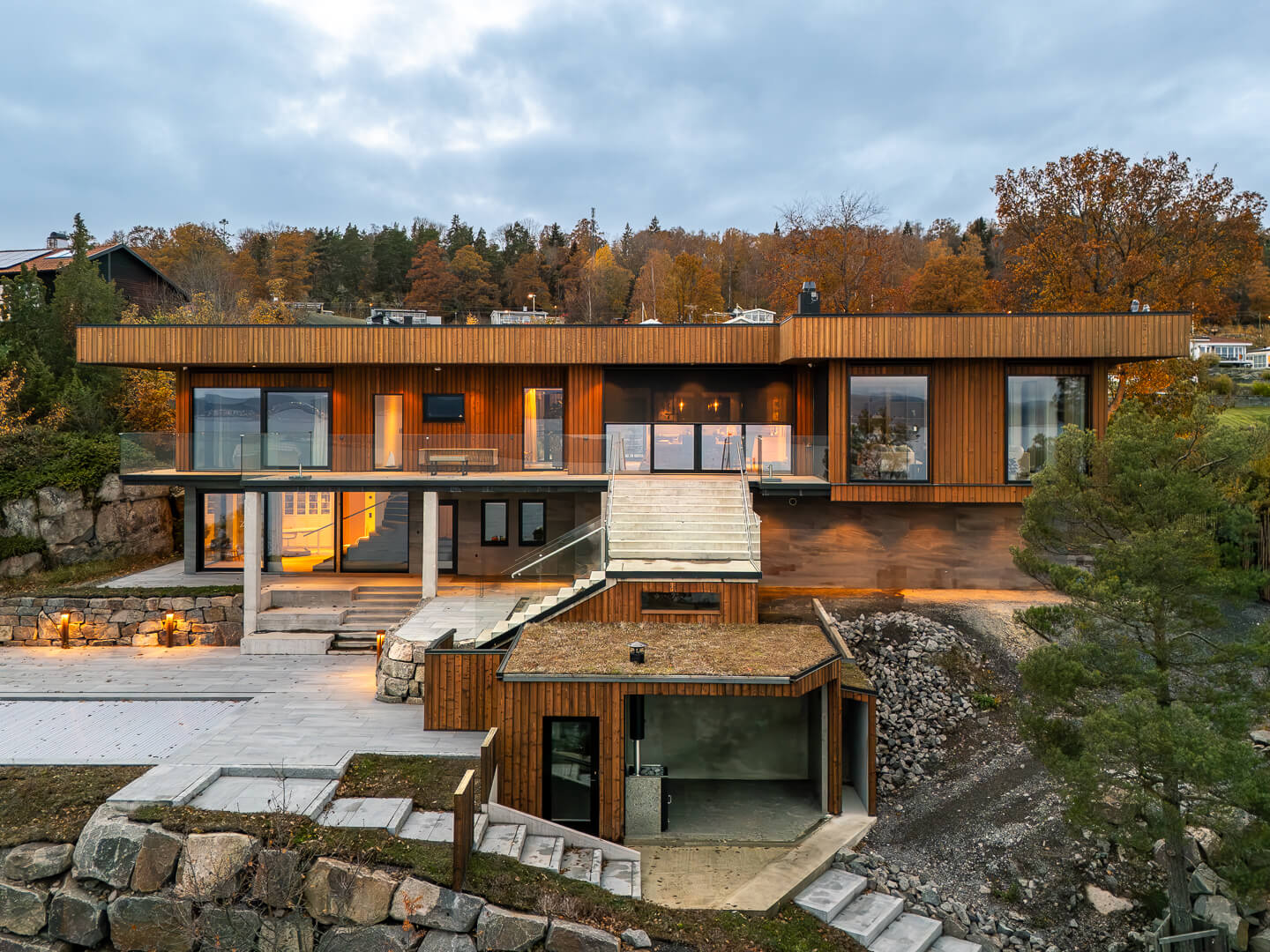
A well-designed facade lets rainwater drain and the boards dry. Deep overhangs, proper clearances, flashings and a ventilated cavity all reduce moisture stress. No finish, however good, will save boards that sit in trapped water.
Trade-Offs and Responsibilities
Wood Moves and Weathers
Timber responds to moisture. Boards expand, shrink, cup and develop small surface cracks as conditions change. The right moisture content, dimensions, profile, fixing pattern and installation gaps keep that movement under control, but nothing removes it entirely.
Sun and weather change the colour. Untreated or lightly protected timber drifts toward grey, and oiled surfaces fade and wear, faster in some places than others. Sheltered and exposed areas of the same building age at different speeds.
Maintenance Is Your Choice
There is no predetermined maintenance schedule. Look at the cladding now and then, and after severe weather, paying most attention to lower edges, corners, openings, penetrations and anywhere close to roofs or planting. You are checking for worn oil, open joints, damaged boards, persistent damp and loose or corroding fixings.
Remove dirt with a soft brush and a mild cleaner suited to the finish. Harsh chemicals and pressure washing damage the oil, soften the surface fibres and leave patches. There is no recoating interval to follow: re-oil when you want the colour back, not on a calendar. Continue with our guides to cladding cleaning and oil maintenance.
Moisture, Decay and Insects
Wood does not automatically attract pests, and an annual pest treatment is not a universal requirement. Risk depends on species, climate, building condition and local organisms. The most reliable protection is to keep the wall correctly detailed, ventilated, drained and inspectable.
Charring improves the surface’s resistance to moisture, weathering, decay and insects. Oil adds further protection on top of that.
Fire and Building Regulations
Timber is combustible. Charring the decorative face does not by itself prove a required reaction-to-fire classification for the installed facade. A reaction-to-fire classification is established by testing a specific product, and the certificate records the species, thickness, profile and treatment it covers.
Where a regulated fire classification is required, use only the exact Degmeda product and construction covered by current supporting documentation. The project designer and relevant authorities must confirm compliance for the building type and location.
What Charred Wood Changes
Charred wood gets its surface from controlled burning followed by finishing. Depending on the product, that surface is left textured, or brushed and oiled to reach a particular colour and feel. See our production-process guide and Shou Sugi Ban siding guide.

Rain, sunlight, pollution and handling all work on the finish and the timber under it. Deep Char is the most vulnerable to knocks and rubbing, and brushed and oiled finishes wear differently again. Decide what you want the facade to look like in ten years before you specify it.
How to Specify Degmeda Wood Siding
A clear specification goes beyond the general terms “charred wood” or “timber cladding.” Confirm the full Degmeda product: species, grade, dimensions, profile, orientation, surface treatment, colour or coating, end treatment, fixings, substructure, cavity and installation details. Any fire, durability or environmental claim must relate to that exact product and assembly.
Use project samples or a mock-up when colour, grain or weathering expectations are important. Confirm current product availability, technical documentation, delivery region and maintenance guidance directly with Degmeda before ordering. This creates a shared, evidence-based facade specification.
Continue with our profiles and layouts guide and timber facade selection guide.